
Lead GenerationPay Per CallLead Exchange PlatformCompliance SaaS Solutions
Astoria Company
- Enterprise Security
- Data-Driven Results
- Trusted Partnership
- Scalable Solutions

About The Company
Astoria Company is a Unique Breed.
Astoria Company was formed by industry experts who build and develop genuine customers for trusted brands. Our veteran team comes from the heart of the advertising industry. We understand real quality lead generation and campaigns that scale. It’s our business to know the nature of consumers and advertisers that result in verified, high-quality new customer acquisitions.
Not only do we have proven success in a variety of markets, but we continuously test new ways to bring in consumers to businesses. We take a multi-disciplinary approach to our marketing machine as we’re proficient in Pay Per Call, SEO, PPC, Email, Display, Call Centers, Social Media, and Offline Advertising.
Lead Sellers
Maximize Your Revenue Streams
Strategically Transforming Leads into Revenue
With Astoria Company’s expertise, we can collaboratively ensure that each lead you generate is strategically transformed into a consistent revenue stream.
Ping/Post
Efficiency in Real-time Lead Transactions
The efficiency of lead transactions is paramount. Astoria Company’s Ping/Post system is designed to facilitate instantaneous lead transactions, ensuring optimal outcomes for our partners.
Pay Per Call
Maximizing Revenue Opportunities from Calls
Every call generated holds potential. Astoria Company’s Pay Per Call system is designed to connect leads with appropriate buyers, ensuring optimal revenue outcomes.
Sell Leads & Calls
Monetize Traffic Across Leads and Calls
Partner with Astoria to monetize inbound lead and call volume across high-intent verticals, with real-time matching and payouts built for scale.
Pay Per Call
Unlocking The Power Of Instant Connections
Decades of Excellence, Countless Success Stories
Call performance marketing is more than just call tracking. For Pay Per Call Advertisers and businesses who value phone calls or transact a significant percentage of their business through a call center, knowing which media and marketing efforts are driving calls is a fundamental requirement. Call tracking has been around for decades; however, it has never before gained any real traction in online advertising.

- +30-50%
- Average Conversion Rates
- +5-30%
- Uplift in Click-through Rates
Endless Opportunities
Explore Lead Verticals
Our Website Brands
Driving Traffic to Our Website as an Affiliate
Astoria Company’s Website Brands are meticulously designed to attract genuine traffic. As an affiliate, your driving traffic contributes significantly to our mutual growth objectives.























Exclusive Tech Platforms
Our Proven Track Record Speaks for Itself
Astoria Company isn’t just another name in the industry; we are a testament to what dedication, expertise, and innovation can achieve. Our track record is a mosaic of success stories, each a testament to our commitment to excellence. From small businesses to industry giants, our strategies have consistently delivered results, propelling brands to unparalleled heights. When you partner with Astoria, you are not just getting a service; you are becoming a part of a legacy of success.
- 3k+
- Publishers
- 150+
- Offers
- 100k+
- Leads Daily
Our Impact on your Business
Ready to Take Your Company to The Next Level?
- +35%
- Increase in Return on Investment
- +42%
- Increase in Quality Assurance
- +67%
- Increase in Campaign Deployment Time
Astoria Company was formed by industry experts who build and develop genuine customers for trusted brands. Our veteran team comes from the heart of the advertising industry. We understand quality lead generation and campaigns that scale. It’s our business to know the nature of consumers and advertisers that result in verified, high quality new customers.
Not only do we have proven success in a variety of markets, but we continuously test new ways to bring in high quality customers for the brands we promote. We take a multi-disciplinary approach to our marketing machine as we’re proficient in Ping & Post, Host and Post, Lead Generation, Pay Per Call, Live Call Transfers, Phone Verified, Mobile Pay Per Call, Display Advertising, Social Media and Traditional Online Advertising.
Industry Partners and Associations
Business Collaborators and Alliances
We collaborate with trusted partners across the lead generation ecosystem to deliver verified quality and compliance at scale.





Our Blogs
Knowledge Junction

Jul 27, 2026 · Lead Generation, Performance Marketing
Maximizing Leads: Ping Post vs. Direct Post for Buyers, Sellers
Demystify Direct Post vs. Ping Post Leads, crucial for boosting lead quality and ROI. Understand how to optimize your lead generation strategy for maximum success.
Jul 17, 2026 · Lead Generation, Performance Marketing
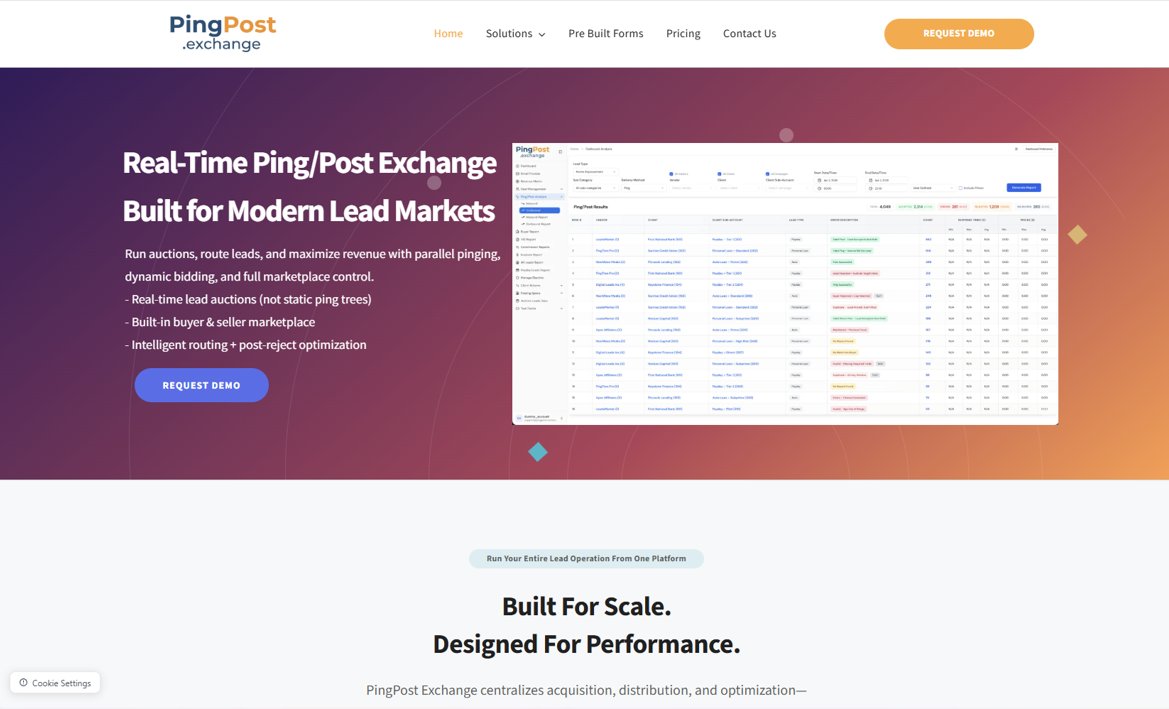
How a Ping Post Lead Generation Platform Boosts Sales
A Ping Post Lead Generation Platform enables real-time lead buying and selling, boosting conversion rates through instant routing and dynamic pricing.

Jul 10, 2026 · Lead Generation Strategy, Pay Per Call Advertising
Why Pay Per Call Campaigns Drive High Quality Leads
Discover how pay per call campaigns deliver high-intent leads with measurable ROI. Call us at +1510-663-7016 to start your campaign.
FAQ
Tradeshows And Associations
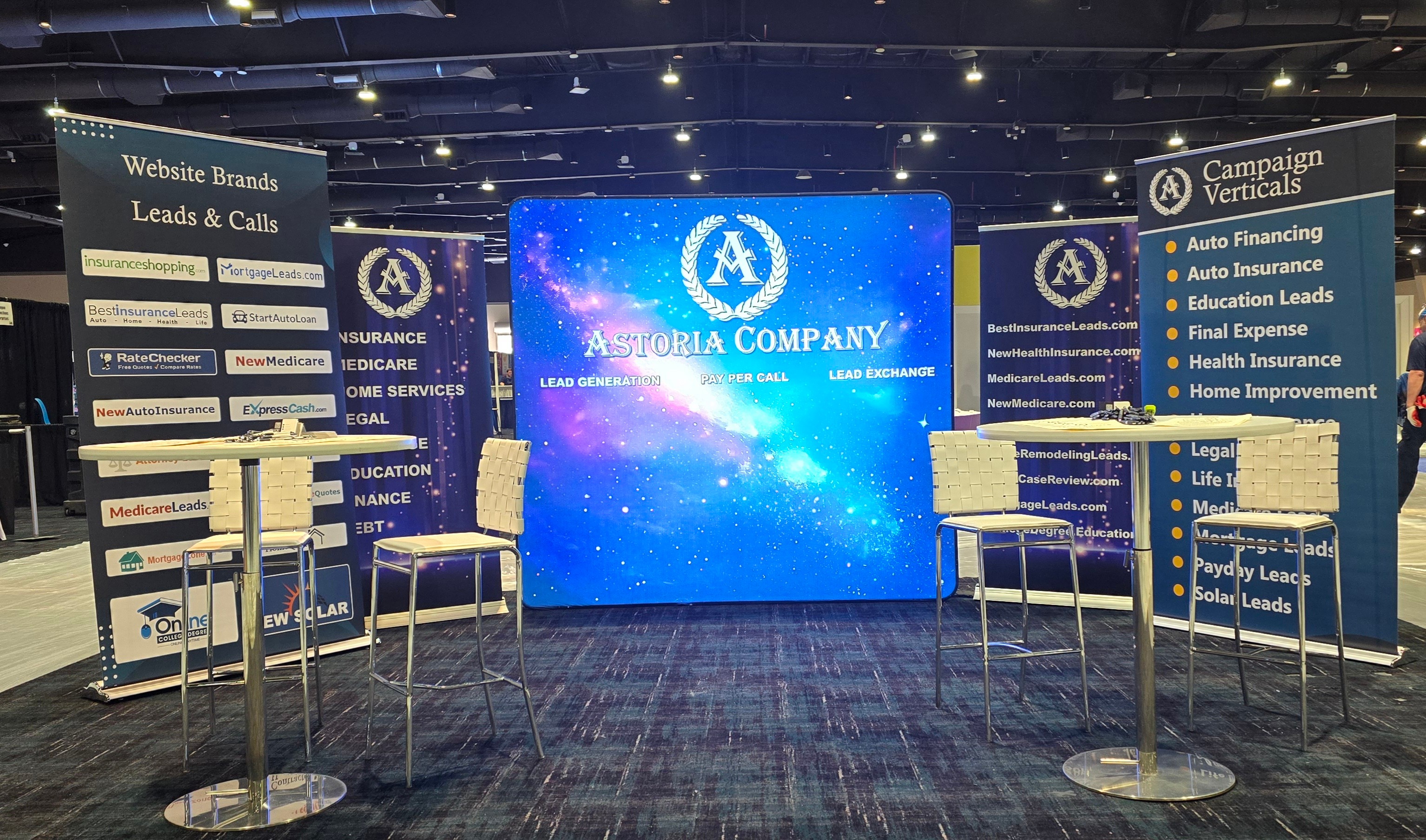
See Us At These Tradeshows and Associations
Connect with the Astoria team at industry events throughout the year.