
How a Ping Post Lead Generation Platform Boosts Sales
A Ping Post Lead Generation Platform enables real-time lead buying and selling, boosting conversion rates through instant routing and dynamic pricing.

By Scott Thompson
In the fast-paced world of performance marketing, the difference between a closed deal and a missed opportunity often comes down to speed and precision. Advertisers and publishers alike are constantly searching for a technological edge that can streamline the flow of high-intent leads. This is where the concept of a Ping Post Lead Generation Platform becomes a game-changer. It is a real-time data exchange mechanism that allows buyers and sellers of leads to connect instantly, ensuring that every potential customer is routed to the right business at the right moment. For companies looking to scale their customer acquisition without sacrificing quality, understanding this technology is no longer optional; it is essential.
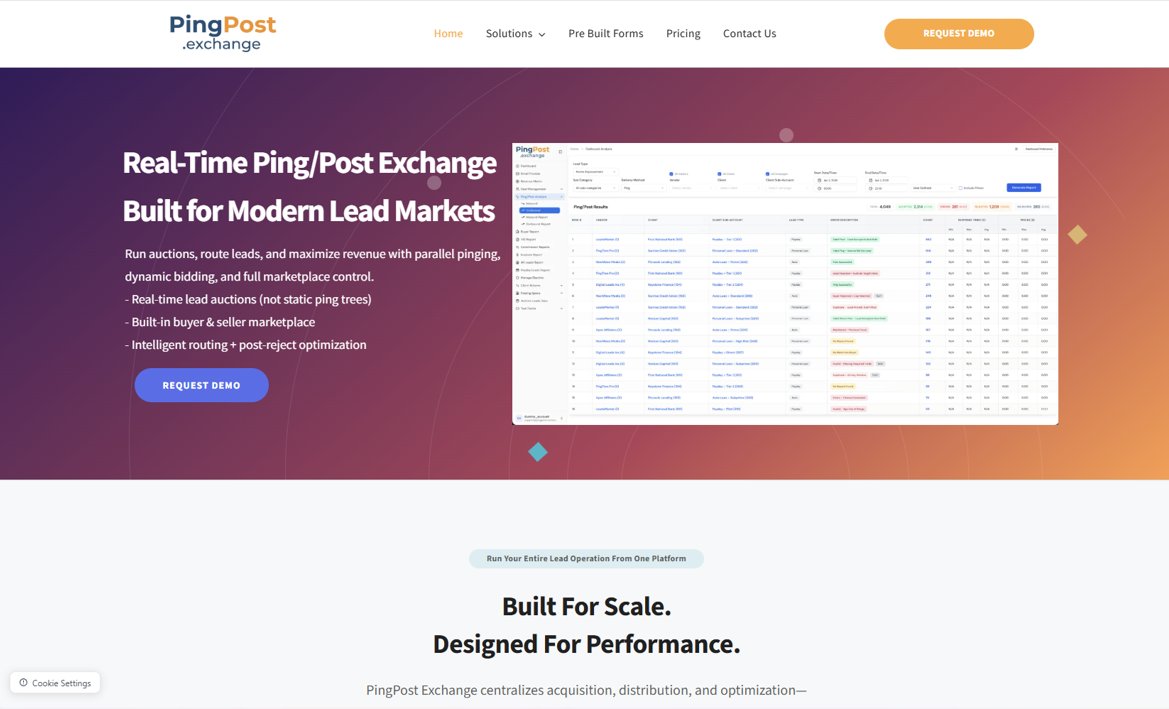
At its core, a ping post system works by sending a small data packet (the "ping") from the seller to multiple buyers. This ping contains a snippet of information about the lead, such as location or source. Buyers then respond with a bid or a signal of interest. The seller then sends the full lead data (the "post") to the winning buyer. This entire transaction happens in milliseconds, allowing for dynamic competition and optimal pricing. For marketers in verticals like insurance, mortgage, legal, and home improvement, this speed directly impacts conversion rates, as leads age quickly and lose value. When you evaluate how PingPost.Exchange is the best SaaS for ping post lead generation with everything built under the hood from lead buyers, lead sellers, automation, custom reporting, and compliance solutions, you see a complete ecosystem designed for this exact purpose.
The Mechanics of a Real-Time Lead Exchange
To fully appreciate the value of a ping post platform, it helps to understand the technical flow. The process begins when a consumer fills out a form on a publisher's website or calls a tracking number. Instead of sending that lead to a single, pre-determined buyer, the platform broadcasts a ping to a network of qualified buyers. Each buyer receives the same initial data and responds within a fraction of a second with a bid or a rejection. The platform's algorithm then selects the best match based on price, conversion likelihood, or buyer preference. The full lead data is then posted to that winning buyer's CRM or call center.
This real-time bidding environment creates a fair market where leads are priced according to their true value. It eliminates the inefficiency of fixed-price contracts where high-quality leads are undervalued and poor leads are overpriced. Furthermore, the system provides unparalleled transparency. Advertisers can set filters to only accept leads meeting specific criteria, such as geographical location or income level. Publishers benefit from increased competition for their leads, driving up revenue. This dual-sided optimization is what makes the model so powerful for performance marketers.
Key Components of a Robust Platform
When selecting a ping post solution, several technical components determine its effectiveness. A platform must handle high volumes of traffic without latency, as every millisecond counts. Additionally, the routing logic must be customizable to support complex business rules. Here are the critical features to look for:
- Real-Time Bidding Engine: The ability to process thousands of bids per second with sub-second response times.
- Custom Filtering Rules: Granular controls that allow buyers to accept or reject leads based on specific data points like credit score, age, or ZIP code.
- Automated Routing: Intelligent algorithms that route leads to the highest-paying or best-converting buyer without manual intervention.
- Comprehensive Reporting: Dashboards that track win rates, response times, and revenue attribution across all campaigns.
These components work together to create a seamless experience. Without a solid real-time engine, the entire system breaks down, leading to lost leads and frustrated partners. The best platforms offer these features as standard, allowing businesses to focus on scaling their campaigns rather than troubleshooting technology.
Automation and Efficiency in Lead Distribution
One of the primary benefits of a ping post platform is the automation of lead distribution. In traditional models, a lead seller might manually export a list of leads and email it to a buyer. This process is slow, prone to error, and inefficient. A ping post system automates the entire workflow from capture to delivery. Once a lead is generated, the platform automatically pings the buyer network, collects bids, and posts the lead to the winner. This removes human error and dramatically reduces the time to contact.
This automation extends to the buyer side as well. Advertisers can set up their system to automatically accept or reject leads based on pre-defined criteria. For example, a mortgage lender might automatically accept leads from a specific state with a credit score above 680. This reduces the need for manual lead review and allows sales teams to focus on closing deals. The platform also handles retries and error handling, ensuring that if a buyer's system is down, the lead is re-routed to the next best buyer without delay. This resilience is critical for maintaining high fill rates and customer satisfaction.
Custom Reporting for Data-Driven Decisions
Data is the lifeblood of performance marketing, and a quality ping post platform provides the analytics necessary to make informed decisions. Custom reporting tools allow both buyers and sellers to track key performance indicators (KPIs) such as cost per lead, conversion rate, and return on ad spend (ROAS). These reports can be segmented by source, campaign, or buyer, providing granular insight into what is working and what is not.
For advertisers, custom reports help identify which publishers or lead sources deliver the highest quality customers. This data can then be used to adjust bidding strategies, allocate budget more effectively, and cut underperforming sources. For publishers, reports show which buyers pay the most and convert the best, allowing them to prioritize their routing preferences. The ability to export data or integrate with analytics platforms like Google Analytics or Tableau adds another layer of utility. In a competitive market, having access to real-time data and historical trends is what separates top performers from the rest.
Compliance Solutions in a Regulated Environment
Compliance is a growing concern in the lead generation industry, particularly with the enforcement of regulations like the FCC's One-to-One Consent Rule and the Telephone Consumer Protection Act (TCPA). A sophisticated ping post platform must include compliance features to protect both buyers and sellers from legal risk. This includes validating that leads have provided proper consent, scrubbing against Do Not Call (DNC) lists, and maintaining an audit trail of every transaction.
Modern platforms offer built-in compliance checks that occur during the ping and post process. For example, before a lead is posted to a buyer, the system can verify that the consumer consented to being contacted by that specific buyer or category of buyers. The platform can also enforce caps on the number of times a lead is sold or contacted, preventing consumer harassment. These features are not just nice to have; they are essential for operating legally and ethically. By integrating compliance directly into the lead flow, businesses can reduce liability and build trust with their partners. As regulations continue to evolve, platforms that prioritize compliance will become the standard.
Integrating with Lead Buyers and Sellers
A ping post platform is only as strong as its network. The best platforms act as a central hub that connects a diverse array of lead buyers and sellers. For sellers, this means access to a large pool of vetted buyers who are actively looking for leads in their specific verticals. For buyers, it means a consistent flow of high-intent leads from multiple sources. The platform handles the technical integration, often through simple API connections, making it easy for new partners to join the network.
Integration flexibility is key. Some buyers prefer to receive leads via a direct API post, while others might want an email notification or a CSV upload. A robust platform supports multiple delivery methods and formats. It also provides testing sandboxes so partners can validate their integrations before going live. This reduces friction and accelerates the time to revenue for both sides. When a platform can seamlessly connect thousands of buyers and sellers, it creates a liquid marketplace where leads are traded efficiently and profitably.
The role of the platform as a trusted intermediary cannot be overstated. It manages the complex routing logic, handles dispute resolution, and ensures that payments are processed accurately and on time. This allows buyers and sellers to focus on their core business activities without worrying about the technical and operational overhead of managing a lead exchange.
Scaling Your Business with a Ping Post Model
For businesses looking to scale their lead generation efforts, the ping post model offers unmatched scalability. Because the platform automates the distribution and pricing of leads, it can handle massive increases in volume without requiring a proportional increase in staff or infrastructure. As a publisher generates more traffic, the platform automatically broadcasts those leads to a larger buyer pool, often resulting in higher prices due to increased competition.
Similarly, advertisers can scale their spending without worrying about lead quality. They can set maximum price caps and quality filters to ensure they only pay for leads that meet their standards. This allows them to increase their budget with confidence, knowing that the platform will protect their ROI. The real-time nature of the system also allows for rapid testing and optimization. A new campaign can be launched in minutes, and performance data is available instantly, enabling quick adjustments to targeting or pricing. This agility is a significant competitive advantage in a market where timing is everything.
Ultimately, the success of a ping post lead generation strategy depends on choosing the right technology partner. A platform that combines speed, automation, custom reporting, and compliance will empower businesses to grow efficiently and sustainably. By leveraging real-time data and dynamic pricing, marketers can maximize the value of every lead and build lasting relationships with their partners. The future of lead generation is real-time, and the ping post model is leading the way.
In conclusion, the ping post lead generation platform represents a fundamental shift in how digital leads are bought and sold. It moves the industry away from static, inefficient models and toward a dynamic, data-driven marketplace. For advertisers and publishers alike, adopting this technology is a strategic move that drives better results, reduces risk, and unlocks new levels of growth. By focusing on automation, transparency, and compliance, these platforms are setting a new standard for performance marketing. As the landscape continues to evolve, those who embrace the ping post model will be best positioned to succeed in the competitive world of customer acquisition.