
A Strategic Guide to Following Up With Real Estate Leads
Convert more leads into clients with a proven follow-up framework. For expert guidance on your strategy, call +1510-663-7016.

By George Orwell
You spent time and money generating that lead. They filled out a form, called your office, or liked your social media post. Now, the silence is deafening. In real estate, the fortune is not just in the finding, it’s in the follow-up. A staggering 44% of agents give up after just one contact attempt, yet 80% of sales require at least five follow-ups. The gap between a cold lead and a closed deal is bridged not by magic, but by a systematic, persistent, and value-driven follow-up strategy. This guide moves beyond the basic “call them again” advice to provide a comprehensive framework for converting more leads into clients by mastering the art and science of the follow-up.
Laying the Foundation: Your Follow-Up Mindset and Systems
Effective follow-up begins long before you send the first text or make the first call. It starts with a shift in perspective and the implementation of robust systems. Your mindset must be one of providing service, not securing a sale. Every interaction should aim to educate, inform, and build trust. This requires patience and consistency, recognizing that most leads are not ready to transact immediately but are on a journey where you can become their guide.
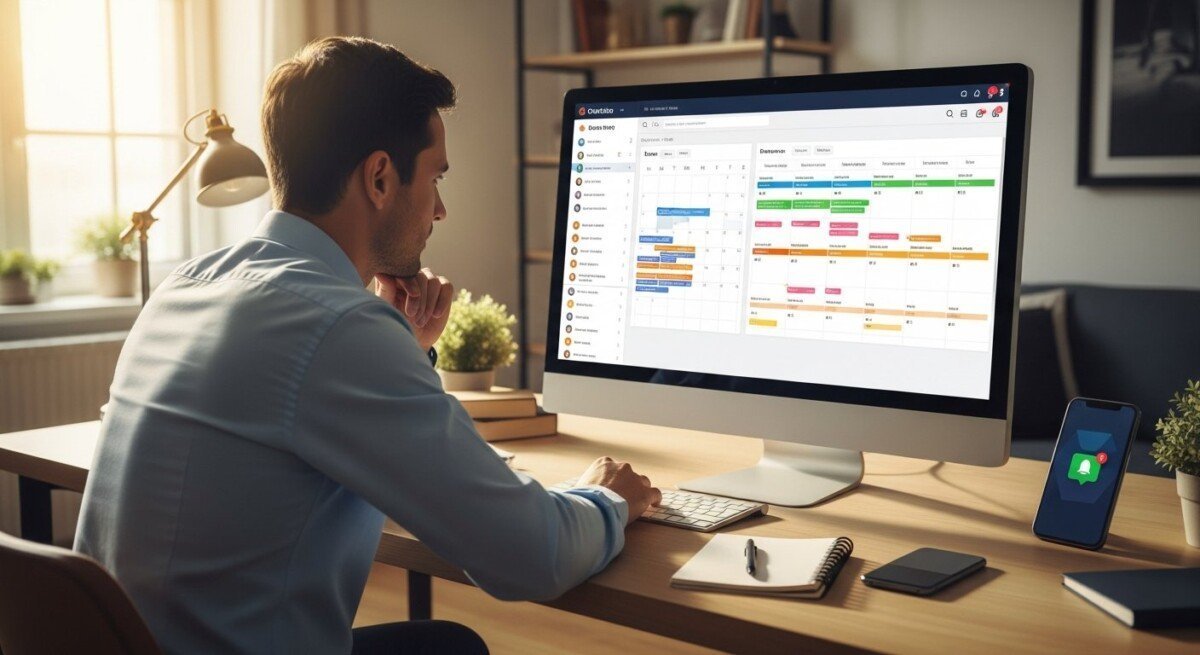
The cornerstone of this mindset is a dedicated Customer Relationship Management (CRM) system. A CRM is not optional, it is the engine of your follow-up machine. It allows you to track every interaction, set reminders, segment leads by source and readiness, and automate repetitive tasks. Without a CRM, leads inevitably fall through the cracks. For a deeper dive into selecting and utilizing the right tool, explore our resource on CRM for Real Estate. Alongside your CRM, establish a clear follow-up protocol. This includes defining response time goals (e.g., responding to a new lead within 5 minutes), determining contact frequency across different channels, and creating templates for common communications to ensure consistency and save time.
Mapping the Lead Follow-Up Sequence: A Multi-Channel Approach
A successful follow-up strategy employs a sequence of touches across multiple channels. This sequence should feel natural, not robotic, and provide value at each step. The goal is to be helpful and top-of-mind without being intrusive.
The Critical First 24 Hours
The initial response is paramount. Leads are most engaged immediately after expressing interest. Your sequence should be swift and multi-faceted. A proven initial sequence might look like this:
- Instant Auto-Response (Within 1 minute): Send a personalized email or text thanking them for their inquiry and setting expectations (e.g., “I’ll review your request and call you shortly”).
- First Personal Contact (Within 15-30 minutes): Make a phone call. Your goal is not to sell, but to connect, confirm their needs, and schedule a longer conversation.
- Value-Follow Email (Within 1 hour): If you don’t reach them by phone, send a brief, personalized email referencing your attempt to call and providing a specific piece of helpful information, like a link to a relevant neighborhood guide.
- Social Connection (Within 4 hours): Send a connection request on LinkedIn or follow them on Instagram with a personal note.
This rapid, multi-touch approach significantly increases your chances of making a genuine connection when the lead is hottest.
Nurturing Leads Over the Long Term
Most leads will not be ready after the first contact. Nurturing is the process of building a relationship with consistent, valuable communication over weeks or months. This is where many agents fail, but where the greatest opportunity lies. Your nurturing toolkit should include a mix of personalized check-ins and automated value. Segment your leads (e.g., first-time buyers, sellers, investors) and tailor your content accordingly. A monthly newsletter with market stats, new listings, and home maintenance tips is a classic tool. Even more effective are hyper-personalized touches: sending a text about a price drop on a home they viewed, an email with an article about local school rankings, or a handwritten note for a holiday. The key is to provide information that helps them in their journey, regardless of its immediate benefit to you.
Optimizing Communication Across Channels
Each communication channel has its own best practices and etiquette. Using them in harmony creates a cohesive professional presence.
Phone Calls: Still the most powerful tool for building rapport. Always have an agenda and a value proposition for the call. Instead of “just checking in,” say, “I’m calling because I just compiled the latest sales data for your neighborhood and wanted to share two key insights that might affect your timeline.” Leave concise, value-oriented voicemails that give a reason to call back.
Email: Use clear, benefit-driven subject lines. Keep the body scannable with short paragraphs and bullet points. Always include a clear, low-commitment call to action, such as “Reply to this email with your top two questions” or “Click here to schedule a 15-minute market update.” Personalization beyond the first name, like referencing a specific property they liked, dramatically increases engagement.
Text Messaging (SMS): Ideal for quick updates, appointment reminders, and time-sensitive information. Always identify yourself, keep messages brief, and obtain permission before texting. A text saying “The open house at 123 Main St. has an offer deadline of tomorrow. Would you like me to schedule a private showing today?” can be incredibly effective.
Video: The ultimate personalization tool. Use video messages to introduce yourself, give a virtual tour of a new listing, or explain a complex market report. Video cuts through the noise and builds trust faster than any other medium.
Advanced Tactics for Stalled and Cold Leads
Even with perfect follow-up, some leads go cold. Reactivating them requires creativity and a shift in tactic. First, diagnose the reason. Did they buy/sell with someone else? Are they no longer moving? Did they simply get busy? A direct, low-pressure approach can work wonders. Send an email with the subject line: “Updating my records” or “Can I still be of help?” The body should be disarming and give them an easy out. For example: “Hi [Name], I’m cleaning up my client list and wanted to check in. Are you still considering a move, or have your plans changed? Either way, I’d appreciate a quick reply so I can update my records. No pressure at all.” This often triggers a response. Another powerful tactic is the “breakup email,” where you state you’ll stop contacting them unless they reply, which can surprisingly generate engagement from previously silent leads. Remember, the source of your lead matters. If you are purchasing leads, understanding the nuances of different vendors is crucial, as detailed in our guide on where to buy real estate leads strategically.
Measuring Success and Refining Your Process
You cannot improve what you do not measure. Track key follow-up metrics in your CRM to understand what’s working. Critical metrics include: First Contact Response Time, Lead-to-Appointment Conversion Rate, Number of Touches to Conversion, and Email Open/Click-Through Rates. Analyze this data monthly. If your lead-to-appointment rate is low, your initial call script may need work. If emails aren’t being opened, test new subject lines. This data-driven approach allows you to continuously refine your follow-up sequences for maximum efficiency and conversion. Generating a consistent lead flow is the first step, and optimizing your follow-up is what turns that flow into a predictable pipeline, a concept explored in how real estate agents generate leads.
Frequently Asked Questions
How soon should I follow up with a new lead? Ideally, within the first 5 minutes. The probability of qualifying a lead decreases dramatically after the first 5 minutes. Have systems in place for instant notification and response.
How many times should I follow up before giving up? Industry data suggests it takes 8-12 touches to get an initial meeting. For long-term nurturing, you should have a system that continues providing value for 12-18 months or more. Giving up after 2-3 attempts leaves most of the opportunity on the table.
What is the best channel for follow-up? There is no single “best” channel. Use an integrated mix. The phone is best for direct conversation, email for detailed information, text for urgency, and social media/video for relationship building.
How can I avoid being annoying? Provide value with every touch. If your only message is “Are you ready to buy/sell?” you will become annoying. If your messages contain market insights, relevant listings, and helpful tips, you become a valued resource.
Should I use automation in my follow-up? Yes, but strategically. Automate the initial acknowledgment, regular newsletter sends, and birthday/holiday wishes. Always personalize the core follow-up sequences and any communication that responds to specific lead behavior.
Mastering how to follow up with real estate leads is what separates top producers from the average agent. It transforms your lead generation efforts from a cost center into a revenue engine. By adopting a service-oriented mindset, implementing a structured multi-channel sequence, and relentlessly providing value, you build the trust that ultimately leads to closed transactions. Start by auditing your current follow-up process, commit to using a CRM, and implement just one new tactic from this guide. Consistency in your follow-up is the ultimate competitive advantage in a crowded market.