
How to Generate and Convert Best Seller Leads for Real Estate Agents
In the competitive world of real estate, a consistent pipeline of motivated sellers is the lifeblood of a thriving business. Yet, for many agents, finding high-quality seller leads that actually convert into listings remains an elusive challenge. The landscape of lead generation is crowded, expensive, and often inefficient. This article cuts through the noise to provide a comprehensive, actionable strategy for identifying, attracting, and converting the best seller leads. We will move beyond generic advice to explore proven methods, both online and offline, that deliver tangible results and a sustainable competitive edge.
Understanding Seller Lead Quality and Intent
Not all leads are created equal. The first step in mastering seller lead generation is to develop a keen understanding of lead quality and seller intent. A “best” seller lead is not merely a homeowner, it is a homeowner with a genuine motivation to sell within a realistic timeframe, and who possesses the authority and means to do so. High-intent leads typically exhibit clear signals, such as researching home values online, contacting multiple agents, or experiencing a life event that necessitates a move. Your goal is to filter out tire-kickers and focus your energy on prospects who are ready to engage.
To effectively assess intent, you must look beyond surface-level information. A lead from a paid website might provide a name and email, but a lead you cultivate through a direct mail campaign to expired listings comes with built-in context: they previously tried to sell. Similarly, a homeowner who attends your neighborhood seminar on “Maximizing Your Sale in a Shifting Market” is demonstrating proactive interest. Developing a system to score leads based on their source, behavior, and the data you gather during initial contact is crucial. This allows you to prioritize follow-up and tailor your communication, ensuring you spend time where it is most likely to pay off.
Proven Offline Strategies for Seller Lead Generation
While digital methods are essential, offline tactics provide a personal touch and can penetrate markets where online competition is fiercest. These strategies rely on consistency, local expertise, and building genuine relationships within your community.
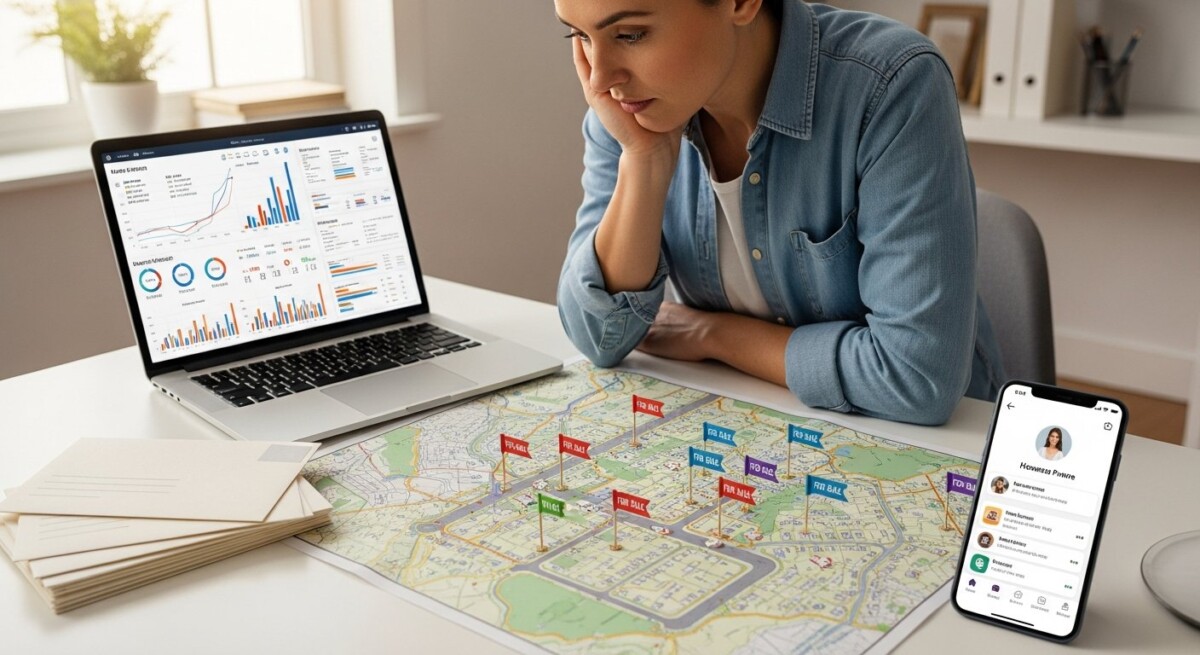
One of the most powerful offline methods is farming a specific neighborhood or geographic area. This involves becoming the undisputed market expert for that locale. Your activities should include regular door-knocking (with a valuable offer, like a free comparative market analysis), hosting local events, sending high-value direct mail, and sponsoring community activities. The objective is to make your name synonymous with real estate in that area, so when anyone thinks of selling, you are the first and only call. Another highly effective tactic is working with expired listings and For Sale By Owner (FSBO) properties. These homeowners have demonstrated clear seller intent. Approaching them requires a consultative, value-based approach rather than a sales pitch. For a deeper dive into these direct methods, our resource on how real estate agents find homeowners who want to sell offers detailed scripts and strategies.
Furthermore, do not underestimate the power of your sphere of influence (SOI). Past clients, personal networks, and professional referrals are the source of your highest-converting and most loyal seller leads. Nurturing this network requires a systematic, long-term approach focused on providing ongoing value, not just asking for business. Regular check-ins, market updates, and client appreciation events keep you top-of-mind.
Mastering Digital and Paid Lead Sources
The digital arena offers scale and targeting capabilities unmatched by offline methods. However, it also requires strategic investment and a sophisticated follow-up system to achieve a positive return. Your online presence, starting with your website and social media profiles, must be optimized to convert visitors into leads. This means having clear calls-to-action, offering valuable lead magnets (like a seller’s guide or home valuation tool), and ensuring your contact information is ubiquitous.
Paid advertising, particularly through platforms like Facebook, Instagram, and Google Ads, allows you to target specific demographics, interests, and even life events indicative of a potential seller. The key to success here is a compelling offer and a seamless user journey from ad click to conversion. Once a lead is captured, speed to lead is critical. Studies show contacting a lead within five minutes increases conversion likelihood exponentially. This necessitates a robust CRM and, often, an automated initial response system.
Navigating the cost of digital leads is a common concern. To build a profitable strategy, you must track your cost per lead (CPL) and cost per acquisition (CPA) meticulously. Not all platforms are equal, and testing is essential. For a focused analysis on managing expenses while maintaining lead quality, explore our guide on how to find affordable seller leads for real estate agents, which breaks down budget-friendly tactics.
The Conversion Framework: From Lead to Listed Client
Generating the lead is only half the battle. A systematic conversion framework is what separates top producers from the rest. This framework encompasses initial contact, consultation, and closing.
The initial contact, whether by phone, email, or text, must be focused on diagnosing the seller’s situation and providing immediate value. Your script should center on questions, not a monologue about your services. Understand their motivation, timeline, and concerns. The goal of the first contact is to book a definitive next step: a listing presentation or a detailed market analysis consultation.
The listing presentation is your opportunity to solidify your position as the expert of choice. It should be a tailored, data-driven conversation, not a generic slide deck. To convert best seller leads consistently, your presentation must:
- Demonstrate deep hyper-local market knowledge with recent comparable sales and active competition.
- Articulate a clear, customized marketing plan that goes beyond the MLS (Multiple Listing Service).
- Address their specific concerns and motivations head-on with solutions.
- Showcase social proof through testimonials and your track record.
- Present a compelling net proceeds analysis that outlines their potential financial outcome.
Following the presentation, a structured follow-up process is non-negotiable. Many listings are won or lost in the follow-up phase. Have a clear timeline for answering questions, providing additional data, and gently guiding the prospect to a decision.
Leveraging Technology and CRM for Lead Management
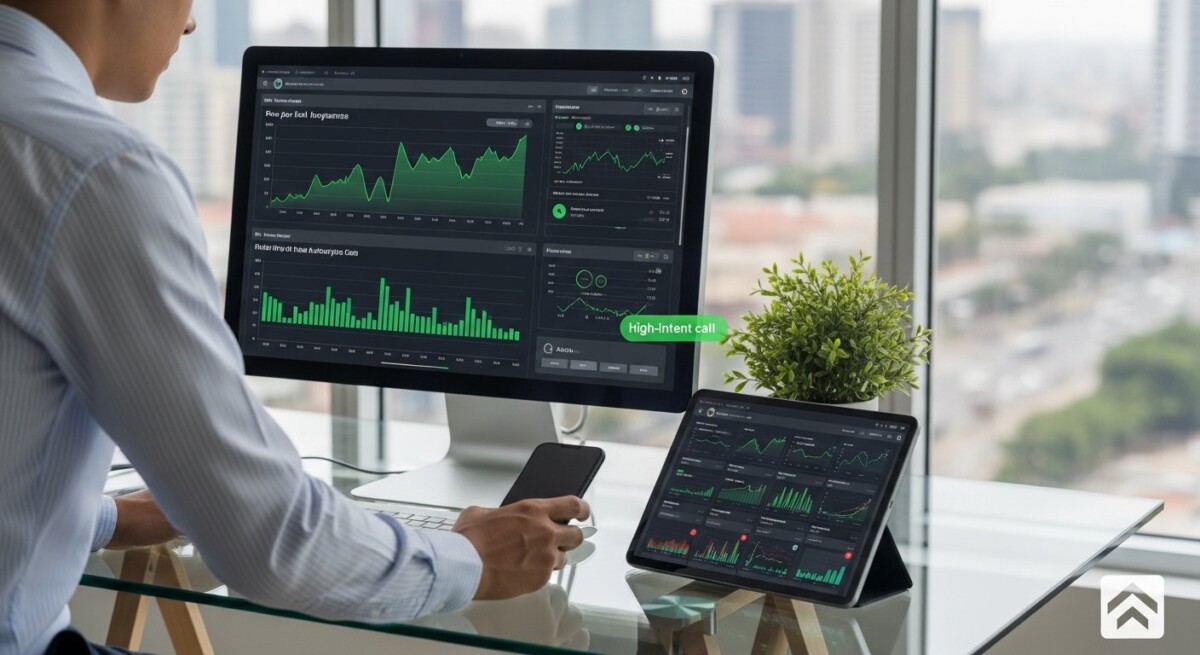
Managing a flow of seller leads efficiently is impossible without the right technology. A Customer Relationship Management (CRM) system is the central nervous system of your lead generation engine. It should automate follow-up sequences, track all interactions, and provide reminders for timely contact.
Beyond basic contact management, modern tools can significantly enhance your efforts. Consider integrating an automated valuation model (AVM) tool on your website to capture leads. Use email marketing platforms to nurture cold and warm leads with educational content. Employ a dialer system to increase contact rates for phone-based follow-up. The integration of these tools creates a cohesive system where no lead falls through the cracks. For a comprehensive look at building a digital lead generation machine, a strategic guide to online seller leads for real estate agents provides a step-by-step technology blueprint.
Ultimately, technology should free up your time for high-touch activities while ensuring consistent, professional communication with every lead in your pipeline. The data collected in your CRM also becomes invaluable for refining your targeting and messaging over time.
Frequently Asked Questions
What is the most cost-effective method for generating seller leads?
For most agents, a combination of sphere of influence nurturing and geographic farming provides the highest return on investment. These methods require more time than money but build sustainable, long-term pipelines. For faster, scalable leads, a well-optimized paid social media campaign targeting specific life events can be cost-effective if managed carefully.
How quickly should I follow up with a new online seller lead?
Immediately. The industry standard for optimal contact is within five minutes. The likelihood of qualifying a lead drops dramatically after the first 30 minutes. Use automated text and email responses to acknowledge receipt instantly, and have a system to trigger a phone call from you or your team right away.
What should I say when calling a FSBO or expired listing lead?
Adopt a consultative, helpful tone. Acknowledge their situation (“I see you’ve been trying to sell your home on your own…”) and offer specific, free value. For example, “I specialize in this neighborhood and have some recent data on what buyers are currently looking for that might help, whether you choose an agent or not. Would a quick 10-minute chat be helpful?” Avoid sounding salesy or critical of their efforts.
How can I differentiate myself when competing for the same seller lead?
Differentiation comes from your unique process, marketing plan, and proof. Have a proprietary selling system with a name. Present a marketing plan that details exactly how you will expose their property to more buyers than anyone else. Finally, provide undeniable social proof: video testimonials, case studies, and data on your average days on market versus area averages.
How much should I budget for paid seller lead generation?
Budget is highly variable based on market and desired volume. A common starting point is 10% of your gross commission income. Start small, test one channel (e.g., Facebook Leads), track your cost per closed listing meticulously, and scale what works. Always factor in the cost of your time for follow-up and conversion.
Building a reliable stream of best seller leads is a marathon, not a sprint. It requires a balanced, multi-channel approach, a relentless focus on lead quality, and a conversion system that instills confidence. By implementing the offline and online strategies outlined here, and supporting them with the right technology and follow-up discipline, you can transform your lead generation from a constant source of stress into a predictable engine for growth. The key is to start, measure, and refine consistently, always prioritizing providing value to the homeowner at every stage of their journey.