

Solar Lead Generation: A Contractor’s Guide
The solar industry is booming, but standing out in a crowded market requires more than just quality panels and installation expertise. For contractors, the real challenge is consistently filling the pipeline with homeowners who are ready to have a conversation. This is where a strategic approach to lead generation becomes the difference between a business that thrives and one that simply survives. Understanding how to generate solar leads for contractors is not just about buying a list of names; it is about building a system that attracts, qualifies, and converts high-intent prospects into paying customers.
Many contractors fall into the trap of relying on a single source, such as door-to-door canvassing or generic online ads. While these methods can work, they often lead to inconsistent results and high costs per acquisition. A more sustainable approach involves a multi-channel strategy that leverages both digital and traditional tactics, all while focusing on the specific behaviors and pain points of homeowners considering solar. The goal is to position your company as the trusted expert in your local market, making it the obvious choice when a homeowner decides to make the switch.
Understanding the Solar Homeowner Mindset
Before diving into specific tactics, it is critical to understand who you are trying to reach and what motivates them. A solar lead is not just anyone with a roof; it is a homeowner who has a specific set of concerns and desires. The primary drivers for going solar typically include reducing monthly electricity bills, increasing home value, and contributing to environmental sustainability. However, the decision-making process is often complicated by financial concerns, confusion about tax credits and incentives, and fear of making a costly mistake.
Successful solar lead generation addresses these anxieties head-on. Your marketing must educate rather than simply sell. Homeowners are looking for clear, transparent information about return on investment, financing options, and the installation process. They want to know how solar will work with their specific roof type, energy usage, and local utility rates. By creating content that answers these questions before they even speak with a sales representative, you pre-qualify leads and build a foundation of trust. This educational approach is far more effective than a hard sell, as it positions you as a helpful resource rather than just another contractor.
Digital Marketing Channels for Solar Leads
The digital landscape offers several powerful channels for reaching homeowners at different stages of their buying journey. A well-rounded digital strategy ensures you capture leads from multiple entry points, reducing your reliance on any single platform. Here are the most effective digital channels for solar contractors.
Paid Advertising (PPC and Social)
Pay-per-click (PPC) advertising on Google and social media platforms like Facebook and Instagram remains a cornerstone of solar lead generation. Google Ads allows you to target homeowners actively searching for terms like “solar panel installation near me” or “solar energy cost.” These are high-intent leads who are already in the research or decision phase. Meanwhile, social media advertising excels at targeting based on demographics, interests, and behaviors. You can target homeowners in specific zip codes who have expressed interest in renewable energy, home improvement, or energy efficiency. The key to success with paid ads is meticulous targeting and compelling ad copy that highlights a clear benefit, such as a free consultation or a savings estimate.
Search Engine Optimization (SEO)
SEO is the long game of solar lead generation, but it is one of the most cost-effective strategies over time. By optimizing your website and local listings for relevant keywords, you can attract organic traffic from homeowners who are conducting research. This involves creating high-quality blog content, optimizing your Google Business Profile, and building local citations. For example, a blog post titled “How Much Do Solar Panels Cost in [Your City]?” can attract visitors who are in the early stages of research. By providing valuable information, you capture their contact information through a form or phone call, turning a casual reader into a qualified lead. SEO builds authority and trust, making your company the go-to resource when a homeowner is ready to move forward.
Content Marketing and Lead Magnets
Content marketing is the engine that powers your SEO and social media efforts. By creating valuable resources, you can attract leads and capture their information in exchange for something of value. Common lead magnets for solar contractors include a free solar savings calculator, a downloadable guide to solar tax credits, or a checklist for choosing an installer. These resources serve as an incentive for a homeowner to provide their name, email, and phone number. Once you have this information, you can nurture the lead through email marketing, providing additional educational content and eventually a call to action for a consultation. This process builds a relationship over time, which is crucial for a high-consideration purchase like solar panels.
Offline and Community-Based Tactics
While digital marketing is essential, offline tactics remain highly effective in the solar industry, especially for building local credibility and trust. Homeowners often prefer to work with contractors who are established and visible in their community. Combining online and offline efforts creates a powerful, integrated lead generation system.
One of the most effective offline strategies is partnering with local home improvement businesses that serve a similar clientele. For example, a roofing company, a general contractor, or a window replacement company all work with homeowners who are likely to be interested in solar. You can establish a referral partnership where you send each other leads. Another powerful tactic is sponsoring or participating in local community events, such as farmers markets, home and garden shows, or environmental fairs. These events give you face-to-face interaction with potential customers, allowing you to answer questions and build rapport. Door-to-door canvassing, when done respectfully and with a focus on education, can also be effective in specific neighborhoods. The key is to present yourself as a consultant, not a salesperson, and to leave behind valuable information even if the homeowner is not ready to buy.
Leveraging Technology for Lead Management
Generating a high volume of leads is only half the battle. The other half is managing those leads effectively to maximize conversion rates. Many solar contractors invest heavily in generating leads, only to let them slip through the cracks due to poor follow-up or lack of organization. This is where technology plays a crucial role. A Customer Relationship Management (CRM) system is essential for tracking every interaction with a lead, from the initial inquiry to the final sale. It helps you schedule follow-ups, automate email sequences, and ensure no lead is forgotten.
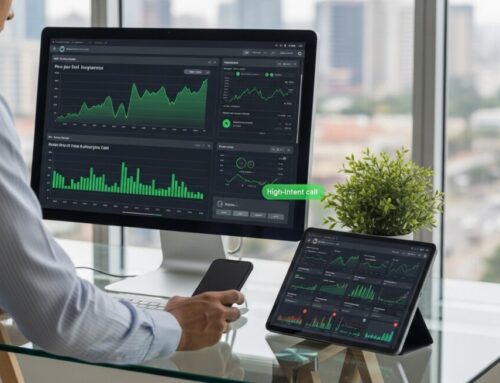
For contractors who receive a high volume of phone inquiries, a pay-per-call platform can be a game-changer. These platforms connect you with pre-qualified leads who are ready to speak on the phone, which often leads to higher conversion rates than form submissions alone. In fact, for complex services like solar installation, a phone call is often the preferred method of communication for homeowners. They want to ask specific questions about their property and get immediate answers. By integrating a call tracking and routing system, you can ensure every inbound call is answered promptly and routed to the right salesperson. This immediate response is critical; studies show that contacting a lead within five minutes dramatically increases the chances of conversion.
Measuring and Optimizing Your Lead Generation
To truly master how to generate solar leads for contractors, you must embrace a culture of measurement and continuous improvement. Not all lead sources are created equal, and what works today may not work tomorrow. The only way to know for sure is to track key performance indicators (KPIs) and adjust your strategy accordingly. The most important metrics to monitor include cost per lead (CPL), conversion rate from lead to sale, and return on ad spend (ROAS). By analyzing these numbers, you can identify which channels are delivering the highest quality leads at the lowest cost.
For example, you might find that while Facebook ads generate a high volume of leads, the conversion rate is low, meaning those leads are not as qualified. On the other hand, a referral partnership with a local roofer might generate fewer leads, but those leads convert at a much higher rate. This data allows you to reallocate your budget and efforts toward the most profitable channels. A/B testing is another powerful tool. Test different ad copy, landing page designs, and lead magnet offers to see what resonates best with your target audience. Small tweaks can lead to significant improvements in performance. Regularly reviewing your data and making data-driven decisions is the hallmark of a successful solar contractor.
One crucial aspect of optimization is understanding the quality of the leads you purchase. Not all lead generation services provide the same level of quality. Some may deliver leads that are not genuinely interested or are outside your service area. This is where working with a trusted performance marketing platform can make a difference. For example, in our guide on Exclusive Medicare Leads & Live Calls, we explain how to ensure you are paying for high-intent prospects. While that guide is focused on the insurance vertical, the same principles of lead quality and verification apply to solar. You need a system that filters out low-quality leads and connects you only with homeowners who have a genuine need and the ability to purchase.
Building a Sustainable Solar Lead System
The ultimate goal is not to generate a one-time flood of leads, but to build a sustainable system that consistently delivers new business. This requires a long-term perspective and a commitment to refining your approach. A sustainable system is built on three pillars: consistent investment in proven channels, a strong focus on customer experience, and a willingness to adapt to market changes. Homeowners who have a positive experience with your company are likely to refer friends and family, creating a powerful organic lead source. Therefore, every interaction, from the first phone call to the final installation and beyond, should be designed to exceed expectations.
Additionally, stay informed about changes in the solar industry, such as shifts in government incentives, utility rate structures, and financing options. These changes can dramatically impact homeowner interest and the economics of going solar. By staying ahead of the curve and adjusting your marketing messages accordingly, you position yourself as an industry leader. For instance, if a new tax credit is announced, you should immediately create content explaining how homeowners can take advantage of it. This proactive approach ensures you are always top of mind when homeowners are considering solar.
In conclusion, generating solar leads is a multifaceted process that requires a blend of digital savvy, community presence, and rigorous management. By understanding your audience, leveraging a mix of online and offline channels, and using technology to manage and optimize your efforts, you can build a steady pipeline of high-quality leads. The key is to be patient, data-driven, and relentlessly focused on providing value to the homeowner. When you do that, the leads will follow.