

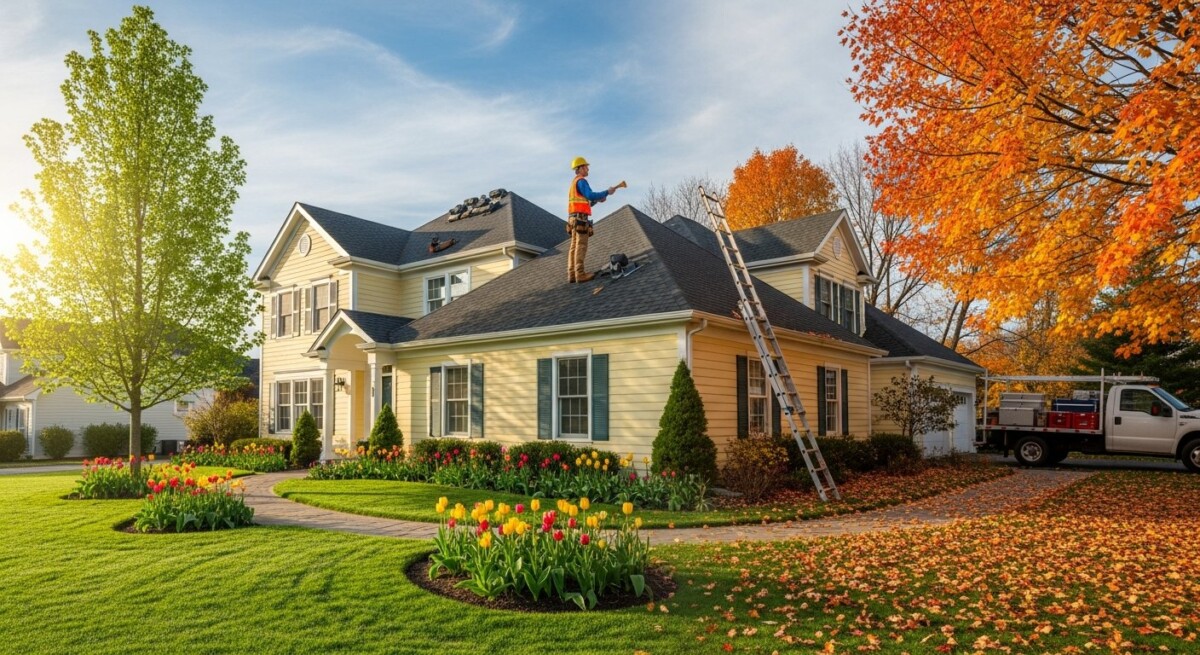
Spring and Fall Lead Generation for Home Improvement
For home improvement businesses, the calendar dictates cash flow. Spring brings a surge of roof repairs, deck builds, and landscaping projects, while fall drives demand for gutter cleaning, insulation, and window replacements. Yet many contractors treat these seasons the same way, using the same ads and the same scripts year after year. That approach leaves money on the table. Seasonal home improvement lead generation spring fall demands a deliberate shift in targeting, messaging, and channel selection. When you align your marketing with the specific needs of homeowners in each season, you not only fill your pipeline but also improve lead quality and close rates.
The home improvement industry operates on urgency and timing. A leaking roof in April or a drafty window in October creates immediate pain for the homeowner. Your job is to be the solution that arrives before the prospect calls five other contractors. This requires a system that captures intent the moment it spikes. In our guide on a strategy for quality home improvement services leads and calls, we explain how aligning your acquisition strategy with seasonal demand patterns can reduce wasted ad spend and increase conversion rates. The same principle applies whether you are buying leads or generating them organically.
Understanding the Two Peak Seasons for Home Improvement
Home improvement projects follow weather patterns and homeowner budgets. Spring and fall are the two primary windows when homeowners are most motivated to act. Spring is about repair and renewal. After winter damage becomes visible, homeowners look for roofing contractors, siding specialists, and landscape professionals. The tax refund season also provides a cash injection that many homeowners use for upgrades. Fall, by contrast, is about preparation and protection. Gutters need cleaning, furnaces need servicing, and windows need sealing before the cold sets in. These are often smaller, more predictable jobs that can be scheduled ahead of time.
Each season requires a different lead nurturing approach. A spring lead who needs a full roof replacement has a longer decision cycle and a higher budget. A fall lead who needs a simple gutter guard installation may convert within days if you respond quickly. The key is to segment your campaigns not just by geography or service, but by the seasonal intent behind the search. A homeowner searching “roof repair near me” in March has a different mindset than one searching the same term in September. Your ad copy, landing page, and call script should reflect that difference.
Why Seasonal Timing Matters for Lead Quality
Lead quality is not just about demographics. It is about timing. A lead generated three weeks before the homeowner actually needs the service is a cold lead. A lead generated the day the leak starts is a hot lead. Seasonal home improvement lead generation spring fall works best when you can predict these trigger events and position your ads to capture them at the moment of maximum intent. For example, running gutter ads in early September, before the first heavy rain, captures homeowners who are planning ahead. Running the same ads in November catches only the procrastinators who may be harder to schedule.
Astoria Company’s platform helps advertisers buy calls and leads with real-time filtering and call quality pricing. This means you can bid higher for calls that come from seasonal campaigns with high intent, while lowering bids for off-season traffic that converts poorly. The ability to adjust dynamically based on seasonality is a competitive advantage that many contractors overlook.
Building a Seasonal Lead Generation Funnel
A successful seasonal lead generation strategy requires more than just changing your ad copy. You need a funnel that captures, qualifies, and converts leads at the right pace for each season. Here are the core components to build for both spring and fall campaigns:
- Seasonal landing pages: Create dedicated pages for each season with imagery, copy, and offers that match the homeowner’s current needs. A spring page might emphasize “winter damage repair” while a fall page focuses on “energy savings before winter.”
- Call tracking numbers: Use unique phone numbers for each seasonal campaign so you can measure which source drives the most qualified calls. This data helps you allocate budget to the highest-performing season.
- Automated follow-up sequences: Not every lead converts immediately. Build an email or SMS sequence that nurtures off-season leads until their project timing aligns with your availability.
- Fraud prevention filters: Seasonal spikes attract bad actors too. Use call filtering and fraud prevention tools to ensure you only pay for legitimate, high-intent leads.
These elements work together to create a system that scales with demand. When spring hits, your landing pages are ready, your tracking numbers are live, and your follow-up automation is primed. When fall arrives, you swap the creative and adjust the targeting without rebuilding the entire funnel from scratch.
Paid Advertising Tactics for Spring and Fall Campaigns
Pay-per-click advertising is the fastest way to capture seasonal demand, but only if your campaigns are structured for the specific season. In spring, homeowners search for broad terms like “roofing contractor” or “deck builder.” In fall, the search volume shifts to more specific terms like “gutter cleaning near me” or “furnace inspection.” Your keyword strategy should mirror this shift. Use Google Keyword Planner or similar tools to identify terms that spike in March and September, then build separate ad groups for each season.
Ad copy should include urgency and seasonal relevance. A spring ad might say “Fix winter roof damage now. Free estimates available today.” A fall ad could say “Prepare your home for winter. Schedule gutter cleaning before the rain starts.” The call to action should match the homeowner’s timeline. Spring leads may need a consultation first, while fall leads often want a firm appointment. Adjust your landing page forms accordingly. A spring form might ask for project details and a preferred date range, while a fall form could offer immediate scheduling for a specific service like gutter guard installation.
Astoria Company’s pay-per-call platform allows you to buy phone calls from these seasonal ad campaigns, ensuring you connect with prospects who are ready to talk. The platform includes call quality pricing, which means you pay more for calls that meet your criteria and less for calls that don’t. This is especially valuable during seasonal spikes when call volume is high but not every call is equally qualified.
Content Marketing and SEO for Seasonal Leads
Organic search is a powerful complement to paid ads, especially for seasonal home improvement lead generation spring fall. Homeowners often begin their research weeks before they are ready to hire. By publishing seasonal content, you capture that early intent and stay top of mind when the decision moment arrives. For spring, write articles about “signs your roof needs repair after winter” or “best deck materials for humid climates.” For fall, create guides on “how to choose gutter guards” or “energy-saving window replacements before winter.”
Each piece of content should include a clear call to action, such as “call us for a free estimate” or “schedule your fall inspection today.” Use local SEO tactics to rank for city-specific terms. A homeowner in Atlanta searching “fall gutter cleaning Atlanta” is far more likely to convert than someone searching a generic term. Claim your Google Business Profile and update it seasonally with new photos, offers, and hours. Respond to reviews promptly, as seasonal shoppers often check reviews before calling.
Astoria Company’s publisher partners generate organic leads through owned website properties and content-driven strategies. If you are a contractor looking to expand your reach, consider partnering with a platform that specializes in home improvement lead generation. The right partner can bring you leads from both paid and organic channels, smoothed across the seasonal peaks and valleys.
Measuring and Optimizing Seasonal Campaign Performance
Without proper measurement, seasonal campaigns become guesswork. You need to track not just the volume of leads, but the conversion rate, cost per lead, and cost per acquisition for each season. Use call tracking software to record and analyze phone conversations. Listen for patterns in how spring leads differ from fall leads in their questions, objections, and decision timelines. This insight allows you to refine your scripts and improve close rates year over year.
Compare your spring and fall campaigns side by side. Which channel delivered the lowest cost per lead? Which landing page had the highest conversion rate? Which service generated the most revenue per lead? Use this data to build a seasonal budget allocation model. If fall gutter leads convert at 30 percent while spring roof leads convert at 15 percent, you might shift more budget to fall campaigns or adjust your spring pricing to compensate for the lower close rate.
Astoria Company’s ROI tracking and analytics dashboards give advertisers the tools to measure these metrics in real time. You can see which campaigns, keywords, and publishers deliver the best results, and adjust your bids accordingly. The platform also supports host/post and ping/post integrations, so you can receive leads directly into your CRM and track the entire lifecycle from first click to closed sale.
Preparing for the Next Season: Off-Season Strategies
The gap between spring and fall is not dead time. Use the summer and winter months to build your pipeline for the upcoming peak. Retarget homeowners who visited your site but did not convert during the active season. Send them seasonal reminders and offers that expire when the next peak begins. For example, a homeowner who requested a roofing quote in April but did not book can be re-engaged in August with a “fall maintenance special” that includes a roof inspection.
Use the off-season to test new channels, refine your ad creative, and update your website. Run small-scale experiments with Facebook ads, direct mail, or local radio to see which channels produce the best return when scaled. Build relationships with real estate agents, property managers, and insurance adjusters who can refer leads during the busy seasons. The more groundwork you lay in the off-season, the faster you can scale when demand spikes.
Astoria Company’s platform supports year-round lead generation through its active offers directory and publisher network. Even during the slower months, you can buy or sell leads in specific verticals that maintain steady demand. This keeps your business running while you prepare for the next seasonal surge.
Seasonal home improvement lead generation spring fall is not a one-time tactic. It is a cyclical system that improves with each iteration. By tracking your data, refining your approach, and leveraging the right technology platform, you can turn seasonal volatility into predictable growth. The contractors who win are not the ones who work hardest during the peak. They are the ones who plan ahead, execute with precision, and optimize relentlessly between seasons.
Partnering with a performance marketing platform like Astoria Company gives you access to tools designed for this exact challenge: call filtering, fraud prevention, real-time analytics, and a network of publishers who understand the home improvement space. When you combine seasonal strategy with the right technology, you stop chasing leads and start attracting the right homeowners at the right time of year. Ping Post Technology Platform