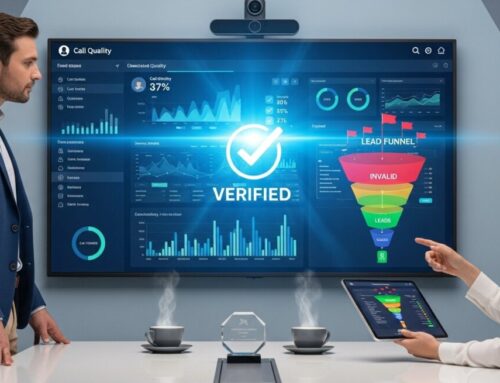


Lead Quality Assurance: A Guide for Better ROI
Every marketing team pours resources into generating leads, but too many of those leads never convert. The gap between lead volume and revenue often comes down to one factor: lead quality assurance. Without a system to verify and score incoming leads, businesses waste budget on unqualified prospects while missing opportunities with high-intent buyers. This guide explains how to build a lead quality assurance framework that protects your ad spend and maximizes conversion rates.
What Is Lead Quality Assurance and Why It Matters
Lead quality assurance is the process of evaluating, scoring, and filtering leads to ensure they meet predefined criteria before they reach your sales team. It combines data validation, behavioral analysis, and compliance checks to separate serious buyers from tire kickers, bots, or accidental submissions. The goal is simple: deliver only leads that have a realistic chance of converting.
Without lead quality assurance, sales teams waste time chasing dead ends, and marketing budgets fund low-quality traffic. For pay-per-call advertisers, the stakes are even higher. A poor lead not only burns ad dollars but also damages the relationship with the publisher. In our guide on AstoriaCompany and AttorneyLeads: High-Quality Client Leads, we explain how rigorous quality checks improve outcomes for legal verticals.
The financial impact is measurable. Companies that implement lead quality assurance see conversion rate improvements of 20% to 40% because their sales teams focus only on viable prospects. They also reduce refunds and chargebacks from publishers who demand compensation for low-quality leads. In short, quality assurance turns lead generation from a cost center into a profit driver.
Key Components of a Lead Quality Assurance Framework
Building an effective system requires attention to several moving parts. Each component reinforces the others, creating a closed loop of continuous improvement.
Data Validation and Verification
The first line of defense is verifying that the information submitted by the prospect is accurate and complete. This includes checking phone numbers, email addresses, and zip codes against external databases. For pay-per-call campaigns, the phone number must be reachable and belong to a real person with legitimate intent. Simple checks like area code matching can filter out 15% of fake submissions instantly.
Advanced systems also perform real-time verification using third-party APIs. These services confirm that the phone number is active, not a VoIP line used by bots, and that the caller is not on a Do Not Call registry. For compliance-heavy verticals like mortgage or insurance, this step is non-negotiable. Failing to validate can lead to regulatory fines and reputational damage.
Lead Scoring Models
Scoring assigns a numeric value to each lead based on attributes that predict conversion. Common scoring factors include:
- Demographic fit (age, income, location matching your ideal customer profile)
- Behavioral signals (time spent on site, pages visited, form completion speed)
- Intent indicators (specific product searches, comparison page views)
- Source quality (traffic from high-performing publishers vs. low-quality networks)
Once scored, leads can be routed automatically. High-scoring leads reach the sales team immediately, while lower-scoring ones enter a nurturing sequence. This dynamic prioritization ensures that no high-value opportunity sits idle. Over time, you can adjust scoring weights based on historical conversion data, making the model smarter with each campaign.
Compliance and Regulatory Checks
Compliance is a critical but often overlooked dimension of lead quality assurance. Regulations like the FCC One-to-One Consent Rule require that each lead explicitly consents to be contacted by specific advertisers. Violations can result in fines of up to $50,000 per call. A robust quality assurance system must capture and store consent records, including timestamps and IP addresses.
For pay-per-call platforms, compliance also means verifying that the call duration meets minimum thresholds before billing. This prevents fraud where bots or disinterested parties dial numbers and hang up within seconds. Automated call tracking tools can enforce these rules in real time, protecting both advertisers and publishers.
How to Implement Lead Quality Assurance in Your Campaigns
Implementation follows a logical sequence that starts with defining standards and ends with ongoing optimization. Here is a step-by-step approach.
Step 1: Define Your Ideal Lead Profile
Before you can filter leads, you need to know what a good lead looks like. Work with your sales team to identify the common characteristics of your top 20% of customers. Look at demographics, pain points, purchase timing, and source channels. Document these traits in a scorecard that becomes the benchmark for all incoming leads.
For example, a home improvement company might define an ideal lead as a homeowner between 30 and 65 years old, located within 50 miles of the service area, who has visited the pricing page and submitted a form with a valid phone number. Every lead that misses two or more of these criteria gets flagged for review or automatic disqualification.
Step 2: Choose the Right Technology Stack
Lead quality assurance relies on tools that can automate validation, scoring, and routing. Look for platforms that offer:
- Real-time phone and email verification
- Customizable scoring rules with machine learning capabilities
- Integration with your CRM and ad platforms
- Compliance documentation and audit trails
Astoria Company’s platform provides many of these features out of the box, including call tracking, fraud prevention, and ROI analytics. It helps advertisers and publishers align on quality standards through transparent reporting and integration tools.
Step 3: Set Up Automated Rules and Workflows
Once your technology is in place, configure rules that act on leads as they arrive. For instance, if a lead submits a phone number with an invalid area code, the system can automatically reject it and send a notification to the publisher. If a lead scores above 80 points, it gets sent to the top sales rep with an alert.
Workflows should also handle edge cases. What happens when a lead passes validation but has a low score? You might send it to a nurture campaign with automated emails or SMS messages. What about leads that fail compliance checks? They should be quarantined and flagged for manual review. Documenting these workflows prevents confusion and ensures consistency.
Step 4: Monitor and Refine
Lead quality assurance is not a set-and-forget process. You need to review performance data weekly or monthly. Look at metrics like lead-to-opportunity conversion rate, average deal size by lead source, and refund rate by publisher. Identify patterns: Are leads from social media consistently underperforming? Is a specific publisher sending high-scraped data? Use these insights to adjust your scoring model, update your ideal profile, or cut underperforming sources.
Regular feedback loops with the sales team are also essential. They interact with leads daily and can spot quality issues that data alone might miss. Encourage them to flag suspicious leads and share qualitative feedback. This frontline intelligence helps refine your filters over time.
Common Pitfalls in Lead Quality Assurance
Even well-intentioned programs can stumble. Avoid these mistakes to keep your system effective.
Over-filtering leads. Setting quality thresholds too high can exclude legitimate prospects. For example, rejecting leads with a slightly lower score might eliminate buyers who need more education before converting. Balance strictness with flexibility by creating multiple tiers instead of a single pass-fail gate.
Ignoring publisher feedback. Publishers are your partners in lead generation. If they feel your quality checks are unfair or opaque, they may stop sending traffic. Communicate your criteria clearly and provide publishers with performance dashboards so they can optimize their own campaigns. A collaborative approach builds trust and improves results for both sides.
Neglecting mobile optimization. More than 60% of leads now come from mobile devices. If your forms, landing pages, or call flows are not mobile-friendly, you will see higher abandonment rates and lower data quality. Test every step of the mobile experience and ensure that validation works smoothly on smartphones.
Measuring the Impact of Lead Quality Assurance
To justify the investment in quality assurance, you need to track the right metrics. Here are the key performance indicators that matter most.
Conversion rate by lead source. Compare how many leads from each publisher or channel convert into paying customers. This tells you which sources deliver the highest quality traffic. Sources with low conversion rates may need stricter filters or reduced spend.
Cost per qualified lead. Divide your total ad spend by the number of leads that pass your quality checks. This metric reveals the true cost of reaching a viable prospect. A low cost per qualified lead indicates that your quality assurance system is working efficiently.
Sales team satisfaction. Survey your sales reps regularly about lead quality. If they report that 80% or more of leads are worth their time, your system is on track. If satisfaction drops, investigate the root cause and adjust your criteria.
Refund and chargeback rates. In pay-per-call advertising, refunds are a direct signal of quality problems. Aim for a refund rate below 5%. If it climbs higher, tighten your validation rules and review publisher compliance.
Frequently Asked Questions
What is the difference between lead generation and lead quality assurance?
Lead generation focuses on attracting and capturing potential customers. Lead quality assurance happens after capture, filtering and scoring those leads to ensure they meet quality standards before being passed to sales. Both are essential, but quality assurance prevents wasted effort on unqualified prospects.
How often should I update my lead scoring model?
Review your scoring model at least once per quarter. If you launch new campaigns, enter new verticals, or see shifts in conversion patterns, update sooner. Machine learning models can update in real time, but human oversight ensures the rules stay aligned with business goals.
Can small businesses benefit from lead quality assurance?
Absolutely. Even a small business with a limited budget benefits from filtering out bad leads. Manual verification of phone numbers and email addresses takes only minutes per lead and can save hours of wasted sales follow-up. As the business grows, automated tools become cost-effective.
Does lead quality assurance work for inbound calls?
Yes. For inbound call campaigns, quality assurance includes verifying caller intent, call duration, and consent. Platforms like Astoria Company provide call tracking and filtering that ensure only legitimate, high-intent calls are billed to advertisers.
Final Thoughts
Lead quality assurance transforms chaotic lead generation into a predictable revenue engine. By validating data, scoring prospects, and enforcing compliance, you protect your ad budget and empower your sales team to close more deals. Start with a clear ideal customer profile, invest in the right technology, and commit to continuous refinement. The result is a system that delivers not just more leads but better leads. For inquiries about implementing lead quality assurance in your pay-per-call campaigns, reach out at +1510-663-7016.