
A Strategic Guide for Homeowners Ready to Sell Their House
You have decided to sell your house. This pivotal moment is filled with potential, but also with questions. The journey from a “for sale” sign to a successful closing is not merely about listing a property, it is about executing a deliberate strategy. For homeowners ready to sell their house, success hinges on preparation, pricing, presentation, and partnership. This comprehensive guide moves beyond basic tips to provide a structured framework designed to maximize your return, minimize your stress, and navigate the complexities of the modern real estate market with confidence.
Laying the Foundation: Pre-Listing Preparation
Before your home ever hits the market, the most critical work begins. This phase is about objective assessment and strategic enhancement. Emotion must be set aside, replaced by a clear-eyed view of your property through the lens of a potential buyer. Start with a thorough audit of your home’s condition. Walk through each room and note any repairs, from a leaky faucet to a cracked tile. Major systems like HVAC, plumbing, and roofing should be in good working order, as these are common deal-breakers during inspections. Addressing these issues upfront prevents them from becoming negotiating points later, often at a higher cost.
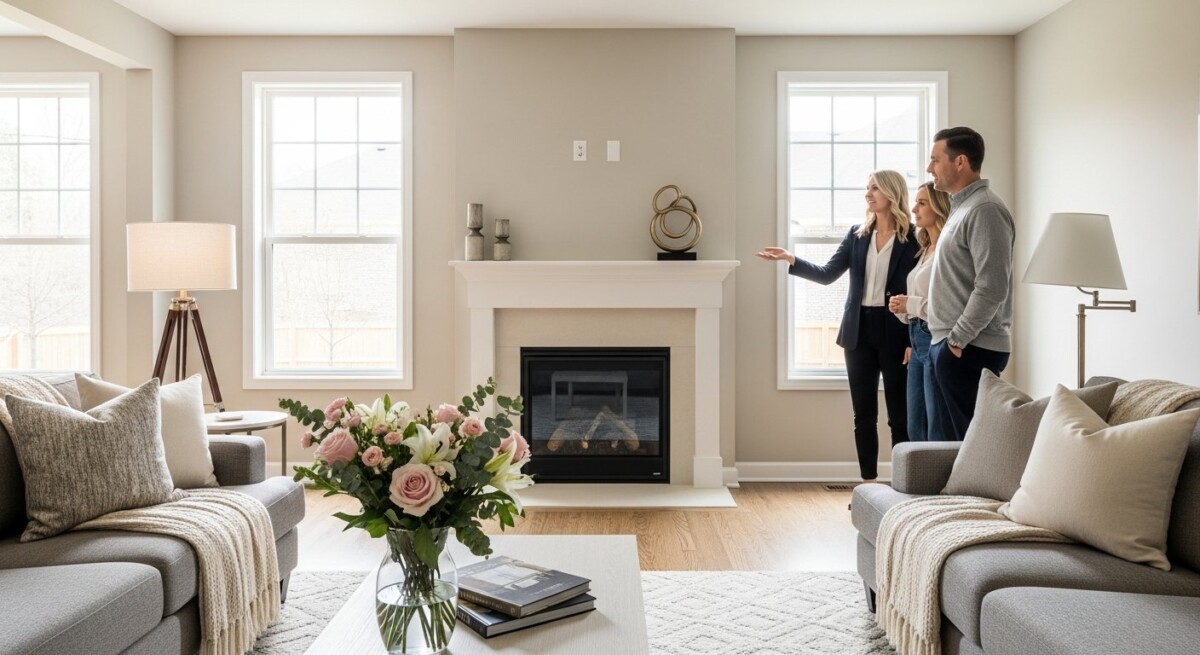
Next, shift your focus to aesthetics and presentation. This is where the concept of “curb appeal” and “staging” come into play. The goal is to create a blank canvas that allows buyers to envision their own lives in the space. This involves deep cleaning, decluttering, and depersonalizing. Remove excess furniture, family photos, and personal collections to make rooms feel larger and more neutral. Consider a professional deep clean and, for many, professional staging is a worthwhile investment that statistically leads to faster sales and higher offers. The exterior is your first impression, so ensure landscaping is tidy, the front door is inviting, and the overall facade is well-maintained.
Mastering Market Dynamics and Pricing Strategy
Perhaps the single most important decision you will make is setting the asking price. Price too high, and your home languishes on the market, becoming “stale.” Price too low, and you leave money on the table. The correct price is not based on what you need to net or what you think your home is worth, it is determined by the market. A Comparative Market Analysis (CMA) prepared by a skilled real estate agent is essential. This report analyzes recently sold properties (“comps”) that are similar to yours in size, location, and condition.
Understanding current market conditions is equally crucial. Are you in a seller’s market, with low inventory and high demand, or a buyer’s market, with more choices for purchasers? This context dictates your pricing and negotiation posture. In a hot market, you might price at or slightly below market value to encourage multiple offers. In a cooler market, pricing precisely at fair market value is critical to attract initial interest. Remember, the first few weeks are when your listing garners the most attention, making an accurate, competitive price from day one a non-negotiable element of success. For a deeper dive into identifying motivated sellers and market timing, our resource on how to find and connect with qualified homeowners ready to sell offers additional strategic insights.
Marketing Your Property in the Digital Age
Modern home selling is a digital-first endeavor. A Multiple Listing Service (MLS) entry is the baseline, but a robust marketing plan extends far beyond it. High-quality visual assets are paramount. This means professional photography, without exception. Wide-angle shots, proper lighting, and flattering angles make a significant difference. In many markets, virtual tours, drone footage for showcasing large lots or unique exteriors, and even professional videography are becoming standard expectations.
Your agent should leverage a multi-channel marketing strategy. This includes syndicating the listing to major real estate portals (Zillow, Realtor.com, etc.), targeted social media advertising, email campaigns to their network of buyers and agents, and potentially traditional methods like open houses or print marketing for certain properties. The listing description must be compelling, highlighting key features and benefits with strategic keyword use (like “updated kitchen” or “energy-efficient windows”) for search visibility. A strong digital footprint ensures your home is seen by the maximum number of qualified buyers.
Navigating Offers, Negotiations, and the Closing Process
When offers start arriving, you enter a critical phase of evaluation and negotiation. An offer is more than just a price, it is a package of terms. You must consider the buyer’s financing (a pre-approved conventional loan is stronger than a contingent offer), proposed closing timeline, requested contingencies (inspection, appraisal, financing), and any requests for closing cost assistance or repairs. Your agent will help you weigh these factors and formulate a counter-offer strategy that protects your interests.
Once you accept an offer, the property moves into the “under contract” or “pending” phase. This period is governed by the contingencies outlined in the contract. The buyer will conduct a professional home inspection, which will likely result in a request for repairs or credits. You must decide how to respond, balancing the desire to keep the deal together with the cost of addressing the issues. An appraisal, ordered by the buyer’s lender, must come in at or above the sale price. If it comes in low, you may need to renegotiate the price, the buyer may need to bring more cash to the table, or the deal could fall apart. Clear, consistent communication between all parties (agents, title company, lenders) is vital during this often stressful period. Effective client relationship management principles are key here, ensuring a smooth transaction for all involved.
Frequently Asked Questions for Sellers
Q: How much should I spend on repairs and updates before selling?
A> Focus on cost-effective repairs that offer a high return on investment. Fresh paint, updated lighting fixtures, minor landscaping, and deep cleaning are universally recommended. Avoid major, personalized renovations, as you are unlikely to recoup the full cost. Consult with your agent on what buyers in your specific market expect.
Q: Should I sell first or buy first?
A> This is a complex personal and financial decision. Selling first gives you certainty of funds and makes you a stronger, contingent-free buyer. However, it may create a gap where you need temporary housing. Buying first can be seamless but may lead to carrying two mortgages. Discuss the risks and logistics with your real estate agent and financial advisor.
Q: What are closing costs for a seller?
A> Sellers typically pay for the real estate commissions for both agents, transfer taxes, title insurance fees, and potentially prorated property taxes and HOA fees. These costs usually range from 6% to 10% of the sale price, so factor this into your net proceeds calculation.
Q: How do I handle showings with pets or children?
A> Make the home as accessible as possible. For pets, arrange for them to be out of the house during showings, remove pet paraphernalia, and ensure there are no odors. For children, declutter toys and personal items. A clean, neutral, and welcoming environment is the goal.
Q: What if my home doesn’t sell quickly?
A> If your home sits for weeks with little activity, you must reassess. The three most common culprits are price, condition, and marketing. Be open to feedback from showings, and work with your agent to strategically adjust the price, enhance marketing efforts, or make visible improvements to the property’s presentation. A proactive campaign optimization mindset applied to your listing can help diagnose and solve these issues.
Selling your home is a significant undertaking that blends emotional transition with complex financial and legal transactions. By approaching it with a methodical, prepared mindset, you transform from a hopeful seller into a strategic market participant. The process demands attention to detail, from the initial decluttering to the final negotiation on inspection items. By investing in preparation, trusting data-driven pricing, embracing comprehensive marketing, and leaning on professional expertise, you position yourself not just to sell, but to succeed, achieving your goals and moving forward to the next chapter with confidence.