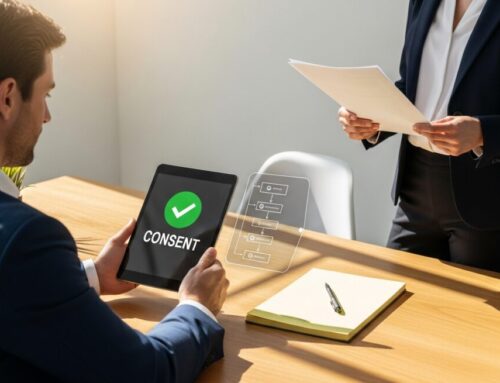


Call Verification for Legal Leads: A Must-Have Strategy
Every law firm knows the feeling: a potential client calls, the conversation goes well, and the case seems promising. But what happens when that call turns out to be a wrong number, a prank, or a competitor fishing for information? Without a system to verify incoming calls, law firms waste time, money, and resources on leads that never convert. This is where call verification for legal leads becomes essential. It is the process of confirming that each inbound phone call is from a genuine, interested prospect before investing further effort. In the competitive world of legal marketing, verified calls separate productive conversations from costly distractions.
Why Call Verification Matters for Law Firms
Legal leads are expensive. Whether you buy pay-per-call traffic or generate leads through SEO and paid ads, every call represents a cost. If even a fraction of those calls are unqualified, your client acquisition cost rises dramatically. Call verification for legal leads ensures that your team spends time only on calls that have a high probability of turning into retained clients.
Beyond cost savings, verification protects your firm’s reputation. Answering a call from a disinterested or fraudulent party can frustrate your intake team and delay responses to real clients. A verified call system filters out noise, so your staff can focus on providing excellent service to those who need it most. In our guide on legal leads calls vs traditional lead forms, we explain how calls often outperform forms for conversion rates, but only when those calls are properly screened.
How Call Verification Works in Practice
Call verification is not a single technology but a combination of techniques. Most systems start with caller ID validation, which checks the incoming number against known databases of legitimate prospects. If a number matches a previous client or a pre-qualified lead list, the call is routed directly to an intake specialist.
For unknown numbers, interactive voice response (IVR) systems can ask a few qualifying questions before connecting the call. For example, the system might ask the caller to confirm their legal issue or their location. Only callers who provide relevant answers are forwarded to the firm. Some advanced platforms use artificial intelligence to analyze speech patterns and detect intent, flagging calls that sound scripted or insincere.
Another layer is real-time analytics. The system monitors call duration, hang-up rates, and repeat calls from the same number. A pattern of very short calls or multiple hang-ups may indicate a non-serious lead. These calls can be automatically deprioritized or sent to a voicemail queue.
Key Benefits of Implementing Call Verification
Adopting a robust verification process offers several concrete advantages for legal practices. Here are the primary benefits you can expect:
- Higher conversion rates: Verified leads are more likely to schedule consultations and retain your services.
- Reduced wasted spend: You stop paying for fraudulent or low-intent calls from pay-per-call campaigns.
- Improved team morale: Intake staff spend their time on serious prospects instead of screening out bad calls.
- Better data for marketing: Verified call data helps you identify which ad channels produce the highest-quality leads.
These benefits compound over time. As your verification system learns from call patterns, it becomes more accurate, further improving your return on investment. Many firms report a 30 percent increase in case sign-ups within three months of implementing call verification.
Common Challenges and How to Overcome Them
No system is perfect, and call verification for legal leads comes with its own set of hurdles. One common issue is false positives, where a genuine lead is mistakenly flagged as invalid. This can happen if a caller uses a VoIP number or calls from a different area code. To reduce false positives, use a verification system that allows manual override by your intake team. If a caller sounds legitimate but was flagged, a human can still connect them.
Another challenge is caller frustration. If your IVR asks too many questions, callers may hang up before reaching a person. The solution is to keep pre-screening questions brief. Ask only two or three essential questions, such as the type of legal issue and the caller’s location. Save detailed qualification for the live conversation.
Privacy concerns also arise. Callers may be hesitant to share information with an automated system. Be transparent about why you are collecting data and how it will be used. Compliance with regulations like the FCC One-to-One Consent Rule is critical. Ensure your verification process obtains proper consent before recording calls or storing personal details.
Integrating Call Verification with Your Lead Generation Strategy
Call verification is most effective when it works alongside your broader lead generation efforts. If you purchase pay-per-call leads, verify that the provider already screens calls before selling them to you. Some platforms, like Astoria Company, offer built-in filtering tools that reduce the burden on your end. For organic calls, verification can be integrated with your CRM to automatically log and score each interaction.
It is also important to align verification with your intake process. Train your team to handle verified calls differently than unverified ones. For example, verified calls might receive priority callback within 10 minutes, while unverified calls go to a secondary queue. This tiered approach ensures that your best leads get the fastest response. As discussed in legal leads and calls a proven strategy for law firm growth, speed of response is a top factor in converting legal leads.
Measuring the Success of Call Verification
To know if your verification system is working, track specific metrics. Start with the verification rate: the percentage of incoming calls that pass all screening steps. A healthy rate varies by practice area but typically falls between 60 and 80 percent. Next, measure the conversion rate of verified calls versus unverified calls. If verified calls convert at a significantly higher rate, your system is effective.
Also monitor the false negative rate, which is the percentage of good leads that were incorrectly rejected. Keep this number below 5 percent. If it rises, adjust your verification criteria or add a manual review step. Finally, track cost per acquisition. Compare the total cost of your call campaigns (including verification expenses) against the number of new clients. A decrease in cost per acquisition over time suggests your verification strategy is paying off.
Tools and Technologies for Call Verification
Several tools can help you implement call verification for legal leads. Here is a breakdown of common options:
- Call tracking platforms: Services like CallRail or Marchex provide caller ID validation and basic screening.
- AI-powered analytics: Tools like Invoca or DialogTech use machine learning to assess caller intent in real time.
- IVR systems: Providers such as Twilio or Plivo allow you to build custom pre-qualification menus.
- Lead verification APIs: Third-party services can check phone numbers against spam databases and past lead records.
Choose a tool that integrates with your existing CRM and phone system. The best solution is one that requires minimal manual work from your intake team. Many law firms start with a simple call tracking platform and upgrade to AI-based verification as their call volume grows.
Best Practices for Legal Call Verification
To get the most out of your verification efforts, follow these guidelines. First, verify calls as early as possible. The moment a call comes in, your system should begin checking the number and intent. Delaying verification reduces its effectiveness. Second, use a tiered system. Not all calls need the same level of scrutiny. A call from a repeat caller can skip most checks, while a first-time caller from an unknown number should go through full verification.
Third, keep your verification criteria up to date. Legal marketing trends change, and so do the tactics of bad actors. Review your filters quarterly and adjust based on new data. Fourth, communicate with your call providers. If you buy calls from publishers, share your verification results with them. This feedback loop helps them send better quality traffic. Finally, never sacrifice the caller experience for verification. A smooth, fast process that respects the caller’s time will yield better results than an intrusive system that turns away good leads.
Frequently Asked Questions
What is call verification for legal leads?
Call verification for legal leads is the process of screening inbound phone calls to confirm that the caller is a genuine, qualified prospect before connecting them to your legal team. It uses caller ID, IVR questions, and analytics to filter out fraudulent or low-intent calls.
How does call verification improve my return on investment?
By filtering out bad calls, your firm spends less time and money on unqualified leads. This reduces your cost per acquisition and allows your intake team to focus on high-probability prospects, leading to more signed cases for the same ad spend.
Will call verification slow down my response time?
Modern verification systems work in seconds. Most calls are screened within the first ring or two, so the delay is barely noticeable. In fact, verification can speed up response time by routing verified calls directly to available intake specialists.
Can I use call verification with pay-per-call campaigns?
Yes. In fact, it is highly recommended. Pay-per-call campaigns often attract fraudulent or low-quality traffic. Adding your own verification layer ensures you only pay for calls that have real potential. For more details, see our article on how to convert exclusive legal leads and calls for PI attorneys.
Do I need special hardware to implement call verification?
No. Most call verification solutions are cloud-based and work with your existing phone system. You only need a reliable internet connection and a subscription to a verification service. Setup typically takes less than a day.
Final Thoughts
Call verification for legal leads is no longer optional for law firms that want to compete in the modern market. It protects your budget, improves team efficiency, and ensures that every call you answer has the potential to become a valuable client. By combining the right technology with smart processes, your firm can turn inbound calls into a predictable source of growth. Start small, measure your results, and refine your approach over time. The investment in verification will pay for itself many times over through higher conversion rates and lower acquisition costs.