

Essential Data Analytics Dashboards for Lead Exchange Admins
For the administrator of a lead exchange platform, data isn’t just a report, it’s the central nervous system of the entire operation. The sheer volume of transactions, buyer and seller behaviors, and financial flows can be overwhelming without the right analytical lenses. Moving from reactive firefighting to proactive optimization requires a curated set of dashboards that transform raw data into strategic intelligence. This article outlines the essential data analytics dashboards every lead exchange admin must master to ensure platform health, maximize revenue, and foster a thriving marketplace for all participants.
The Core Operational Health Dashboard
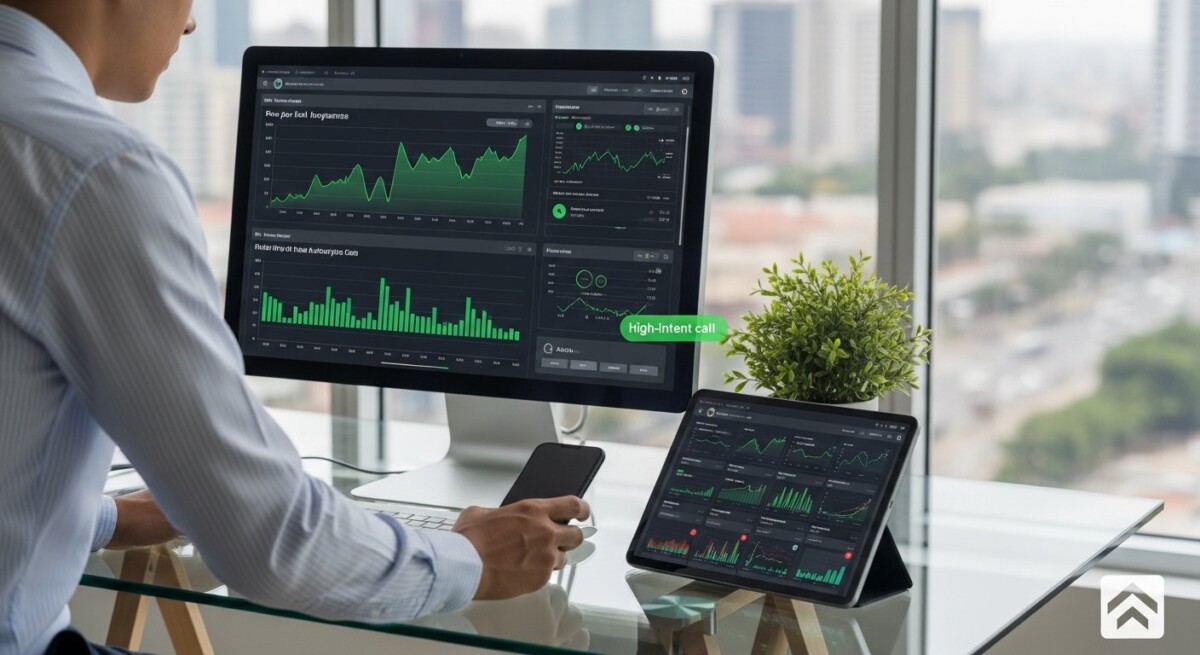
Your first and most critical view is the operational health dashboard. This is your command center, providing a real-time pulse on the fundamental mechanics of your exchange. It answers the basic but vital questions: Is the platform functioning? Are leads flowing? Are transactions completing? This dashboard should be the first thing you see each day, offering a high-level snapshot that can immediately flag systemic issues before they escalate into buyer or seller complaints.
Key metrics here include total lead volume over time, segmented by vertical or source. You need to see daily, weekly, and monthly trends at a glance. Transaction success rates are paramount, tracking the percentage of posted leads that are successfully purchased versus those that expire or are rejected. System latency and API error rates are technical health indicators that directly impact user experience. A sudden dip in lead volume or a spike in errors on this dashboard is your cue to dive deeper. Without this foundational view, you are essentially flying blind, unable to distinguish between a normal fluctuation and the beginning of a major platform outage or seller churn event.
Financial Performance and Revenue Analytics
Ultimately, a lead exchange is a business, and its financial viability must be meticulously tracked. The financial performance dashboard moves beyond simple lead counts to the core economics of your marketplace. This is where you monitor the lifeblood of your revenue, understand yield, and identify your most profitable segments. It provides the hard data needed for pricing strategy, commission adjustments, and forecasting.
Central to this view is total revenue and average revenue per lead (RPL), broken down by lead type, industry vertical, and seller. You should track not just gross revenue but net revenue after any payouts or commissions. Monitoring buyer spend patterns is equally important: who are your top-spending buyers, and what is their purchase frequency? This dashboard should also highlight key financial health indicators like days sales outstanding (DSO) if you offer billing terms, and chargeback or dispute rates. By correlating revenue data with operational metrics, you can answer strategic questions, such as whether higher-priced lead tiers actually deliver better conversion for buyers, justifying the premium. This financial clarity is non-negotiable for making informed decisions that drive sustainable growth.
Buyer and Seller Ecosystem Analytics
A lead exchange is a two-sided marketplace. Its success depends entirely on the satisfaction and performance of both buyers (e.g., call centers, agencies) and sellers (lead generators). Separate, detailed dashboards for each side are essential to manage this ecosystem. The buyer analytics dashboard focuses on consumption, satisfaction, and retention. Key metrics include buyer activation rate (how many new buyers make a first purchase), lead consumption rate, and post-purchase feedback scores. You need to identify at-risk buyers showing declining purchase volume and champion buyers who are expanding their spend.
Conversely, the seller analytics dashboard assesses supply quality and reliability. Critical metrics here are lead approval rates, buyer rejection reasons, and the overall quality score of leads submitted by each seller. Tracking seller volume consistency helps ensure a steady supply. This is where deep data integration pays off. For instance, by analyzing which seller leads result in the highest buyer conversion rates (a metric buyers care deeply about), you can create tiered seller programs or premium lead pools. Managing this balance is delicate, and these dashboards provide the evidence needed to have constructive performance reviews, enforce quality standards, and design incentives that benefit the entire network. A common pitfall for new admins is focusing on one side over the other, a mistake that can destabilize the platform, as detailed in our analysis of common lead exchange setup pitfalls for better ROI.
Lead Quality and Conversion Funnel Dashboard
Lead quality is the ultimate currency of trust in your exchange. If buyers cannot convert the leads they purchase, they will leave. Therefore, a dashboard dedicated to tracking lead quality and the downstream conversion funnel is indispensable for long-term credibility. This goes beyond internal platform metrics and seeks to connect lead acquisition to eventual buyer outcomes, where possible.
This dashboard should track metrics like lead source attribution, contactability rates (e.g., phone connect rates, email open rates), and demographic/ intent data completeness. The most powerful metric, often requiring buyer self-reporting or API integration, is the post-purchase conversion rate: what percentage of purchased leads become qualified opportunities or sales for the buyer? Analyzing this conversion rate by seller, lead type, and price point reveals the true ROI of your inventory. To effectively monitor this, focus on the following key performance indicators:
- Buyer-Reported Conversion Rate: The percentage of leads that result in a sale or qualified appointment.
- Contactability Score: Aggregate data on right-party contact attempts.
- Data Hygiene Metrics: Rates of invalid phone numbers, duplicate leads, or incorrect information.
- Time-to-Conversion: The average time between lead purchase and buyer conversion.
Presenting this data aggregated and anonymized back to your seller community is a powerful tool for driving quality improvements across the board. It shifts the conversation from pure volume to valued outcomes, aligning the incentives of sellers, the platform, and buyers.
Implementing and Evolving Your Dashboard Strategy
Building these dashboards is not a one-time project but an ongoing process of refinement. Start by ensuring your data infrastructure is robust, with clean, unified data flowing from all parts of your platform into a central data warehouse or analytics database. Use a business intelligence tool (like Tableau, Power BI, or Looker) to build these visualizations. Begin with the Core Operational Health dashboard, as it provides immediate value, then progressively layer on the Financial, Ecosystem, and Quality dashboards.
It is crucial to establish a regular review rhythm. Operational and financial dashboards might be viewed daily, while ecosystem and quality dashboards could be reviewed in weekly or monthly deep-dive sessions. Furthermore, the role of a lead exchange admin is not just to observe but to act. Each dashboard should have clear ownership and associated actions. A drop in seller quality score triggers a review process. A spike in buyer spend in a new vertical signals a market expansion opportunity. Your dashboards must evolve with your business, adding new metrics as you launch new features or enter new markets. The goal is to create a culture of data-driven decision-making where every strategic move is informed by the clear, actionable insights these essential tools provide.
Mastering these five dashboard categories equips a lead exchange administrator with the comprehensive visibility needed to steer the platform. From ensuring technical reliability and financial health to nurturing a balanced, high-quality marketplace, these analytical views turn chaotic data streams into a coherent strategy. By implementing and consistently reviewing these essential data analytics dashboards, you transition from a passive platform operator to an active marketplace architect, capable of driving sustainable growth and value for every participant in your exchange.