
How to Master the Lead Buying Process in 2026
Every marketer knows the feeling: you need more leads, fast. You open your wallet, start buying names and numbers, and hope for the best. But hope is not a strategy. The lead buying process is where good campaigns go to die or grow. When done right, it fills your pipeline with qualified prospects who actually convert. When done wrong, it burns budget and frustrates your sales team. The difference is a repeatable system built on data, compliance, and careful vendor selection. This article breaks down that system step by step, so you can buy leads with confidence and turn your ad spend into real revenue.
Why the Lead Buying Process Matters More Than Ever
The digital advertising landscape has shifted dramatically. Privacy regulations like the FCC One-to-One Consent Rule have made it harder to collect consumer data without explicit permission. At the same time, buyers are more skeptical of unsolicited outreach. A generic list of names no longer works. You need leads that have given clear consent and are actively interested in your offer. The lead buying process is the framework for vetting, purchasing, and integrating these high-intent prospects. Without a structured approach, you risk buying low-quality contacts that waste your team’s time and damage your sender reputation.
Think of the process as a filter. It starts with identifying your ideal customer profile. Then it moves to finding reputable sources, evaluating their lead generation methods, and testing their data for accuracy. Finally, it involves integrating those leads into your CRM or dialer while staying compliant with regulations. Each stage requires attention to detail. In our guide on lead quality scoring, we explain how to rank prospects based on fit and intent, which directly improves your buying decisions.
Step 1: Define Your Ideal Lead Profile
Before you spend a single dollar, you must know exactly who you want to reach. A vague target like “homeowners in Florida” is not enough. You need firmographics, demographics, and behavioral triggers that signal readiness to buy. For example, if you sell auto finance services, your ideal lead might be someone who has a credit score above 620, owns a vehicle over five years old, and has recently searched for refinancing options. The more specific you are, the easier it is to find sources that deliver that exact audience.
Write down your top three criteria. Then rank them by importance. Price sensitivity matters, but conversion rate matters more. A lead that costs twice as much but converts at three times the rate is a bargain. Use historical data from your CRM to identify patterns among your best customers. What industries do they work in? What job titles do they hold? What time of day do they respond to calls? These details become the blueprint for your entire lead buying process.
Step 2: Evaluate Lead Sources Thoroughly
Not all lead providers are created equal. Some use transparent, compliant methods. Others scrape data or use questionable tactics that can put you at risk. You need to vet each source before committing to a purchase. Start by asking for documentation about their consent collection process. Do they use double opt-in? Do they record consent timestamps? Do they share the specific offer the consumer agreed to receive?
Beyond compliance, evaluate the quality of their data. Request a small sample of leads and test them against your criteria. Check for accuracy of phone numbers, email addresses, and demographic fields. Look at the time between lead capture and delivery. Fresh leads convert better than aged ones. In our article on lead generation pricing, we break down cost structures and help you compare value across vendors. A cheap lead that never picks up is more expensive than a pricier one that answers on the first ring.
What to Ask Every Lead Vendor
To streamline your evaluation, use a checklist. Here are five questions you should ask every potential provider:
- How do you capture consent from consumers? Ask for screenshots or recordings of the opt-in flow.
- What is your average lead age at time of delivery? Ideally, it should be under 15 minutes for phone leads.
- Can you provide a test batch of 20-50 leads at a discount or free? This allows you to verify quality before scaling.
- What is your refund or credit policy for invalid or duplicate leads? Reputable vendors offer a clear process.
- Do you integrate with major CRMs or dialers? Native integration saves time and reduces manual errors.
When you get answers, compare them side by side. The vendor that scores highest across all five is your safest bet. Do not skip the test batch step. It is the only way to see real performance before you commit significant budget.
Step 3: Set Up a Lead Scoring System
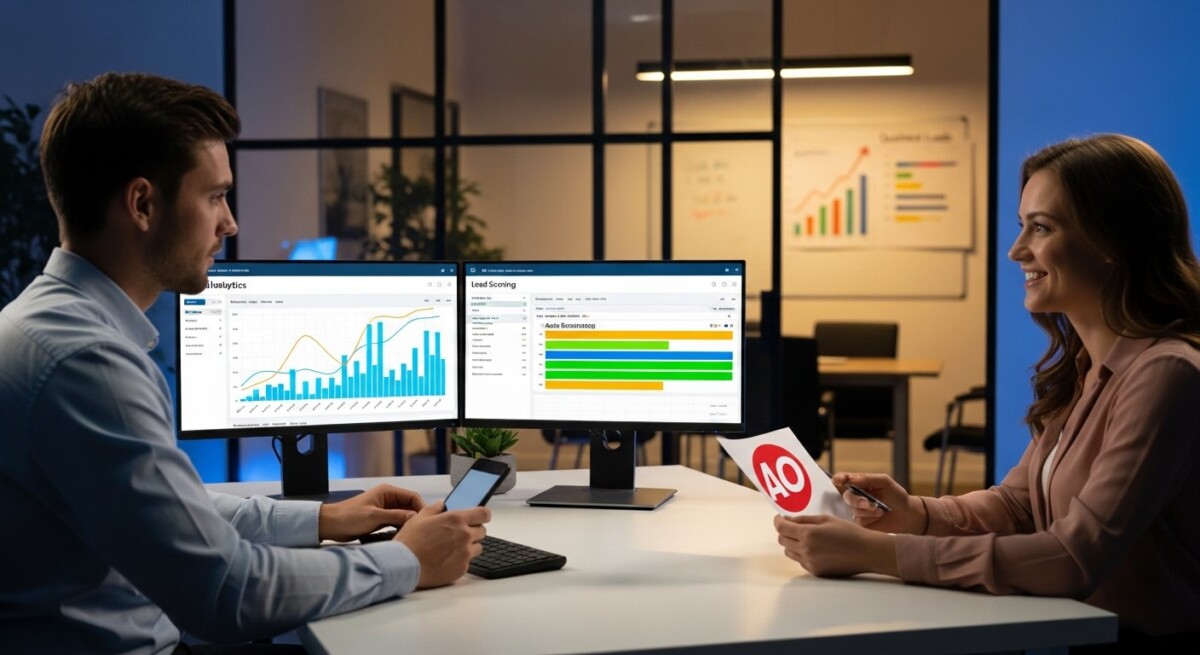
Once leads arrive, you need to prioritize them instantly. Not every lead is ready to buy today. Some are researching. Some are price shopping. Others are ready to sign. A scoring system assigns points based on key behaviors and attributes. For example, a lead that comes from a high-intent keyword like “file insurance claim now” scores higher than one from “insurance information.” Similarly, a lead with a completed form that took time to fill out signals genuine interest.
Your CRM or lead management platform should automatically assign scores at the moment of ingestion. High-scoring leads get immediate attention, ideally a phone call within five minutes. Medium-scoring leads enter a nurturing sequence. Low-scoring leads are either discarded or sent to a lower-priority queue. This tiered approach ensures your sales team spends energy where it matters most. It also helps you refine your buying criteria over time. If a certain source consistently delivers low-scoring leads, you can pause that relationship and reallocate budget.
Step 4: Automate Lead Distribution and Follow-Up
Speed is everything in lead conversion. Research shows that contacting a lead within five minutes increases conversion rates by up to 10 times compared to waiting an hour. Your lead buying process must include automated distribution that routes leads to the right sales rep or dialer instantly. Use webhooks or API integrations to push leads from the vendor directly into your system. Avoid manual CSV uploads that create delays and errors.
Set up rules for distribution. For example, route leads from California to reps licensed in that state. Route high-value leads to your top performers. Route after-hours leads to a voicemail or SMS sequence that schedules a callback for the next morning. Automation removes friction and ensures no lead falls through the cracks. Review your routing rules monthly and adjust based on conversion data.
Step 5: Track Metrics and Optimize Continuously
The lead buying process does not end when the lead arrives. It is a cycle of measurement and improvement. Track key metrics for every source and every campaign. Cost per lead is obvious, but look deeper. Track lead-to-opportunity rate, opportunity-to-close rate, and average deal size. A source with a higher cost per lead but a higher close rate is often more profitable in the long run.
Set up a dashboard that shows these metrics in real time. Share it with your team weekly. When you see a source underperforming, investigate. Is the data stale? Is the consent flow misleading? Did the vendor change their targeting? Continuous optimization is the only way to maintain high ROI. In our piece on how to buy qualified leads for higher conversion rates, we dive deeper into the specific tactics that separate top performers from average ones.
Common Pitfalls in the Lead Buying Process
Even experienced marketers make mistakes. One common error is buying from too many sources without consolidating data. This leads to duplicate leads, wasted spend, and confused sales reps. Another mistake is ignoring compliance flags. If a vendor cannot show clear consent records, walk away. The fines for TCPA violations can cripple a business. A third mistake is failing to align sales and marketing on lead definitions. If marketing buys leads that sales considers unqualified, trust erodes and performance suffers.
Avoid these pitfalls by creating a single source of truth for lead data. Use a platform that deduplicates, scores, and routes leads automatically. Hold monthly meetings between sales and marketing to review lead quality and adjust criteria. When both teams agree on what a good lead looks like, the entire process runs smoother.
Frequently Asked Questions
What is the lead buying process? It is the systematic approach to sourcing, evaluating, purchasing, and integrating leads from external vendors into your sales pipeline. It includes defining your target audience, vetting providers, testing data, scoring leads, and automating distribution.
How do I know if a lead vendor is legitimate? Ask for proof of consent, request a test batch, check online reviews, and verify their integration capabilities. Avoid vendors that cannot provide clear documentation of their data collection methods.
Can I buy leads for any industry? Yes, but some industries face stricter regulations. Insurance, mortgage, legal, and healthcare require additional compliance measures. Work with vendors that specialize in your vertical and understand the rules.
How much should I pay for a lead? Pricing varies widely by industry and quality. Compare cost per lead against your average deal size and conversion rate. A lead that costs $50 but closes at 10% is better than one that costs $10 but closes at 1%.
What should I do if a lead does not convert? Analyze the reason. Was the lead mismatched to your offer? Did you follow up too late? Was the contact information incorrect? Use this data to refine your buying criteria and vendor selection.
Mastering the lead buying process transforms a risky expense into a predictable growth engine. By defining your ideal lead, vetting sources, scoring prospects, automating follow-up, and tracking results, you build a system that consistently delivers high-quality opportunities. The market will keep changing, but a solid process adapts. Start applying these steps today, and watch your conversion rates rise.